Skip to content
  • facebook.com
  • twitter.com
  • t.me
  • instagram.com
  • youtube.com
Marine Engineering

Engineering the Power Behind Every Voyage.

Subscribe
  • Home
  • Online Tools
  • Marine Engineering App
  • Home
  • Ship Propulsion
  • Page 3
🚒 How to Check Whether a Ship’s Propeller Is Losing Efficiency
Posted inFeatured

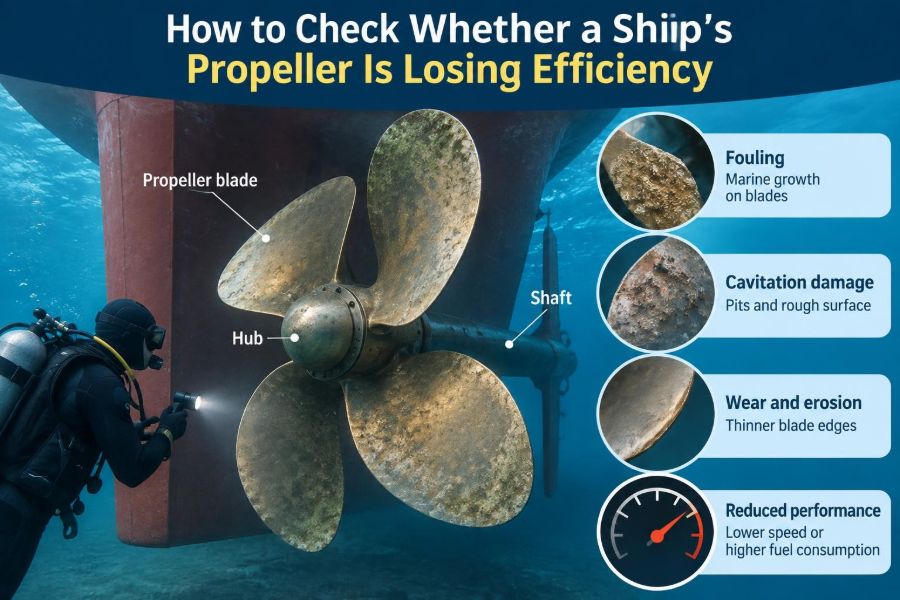
🚒 How to Check Whether a Ship’s Propeller Is Losing Efficiency

Posted by admin October 5, 2026
Learn how to spot speed–power drift, separate hull fouling from propeller faults, and plan a sound inspection before small losses become costly problems. βš™οΈπŸŒŠπŸ“Š
Read More
🚒 The Solution to Excessive Ship Fuel Consumption: How Engineers Improve Propulsion Efficiency
Posted inFeatured

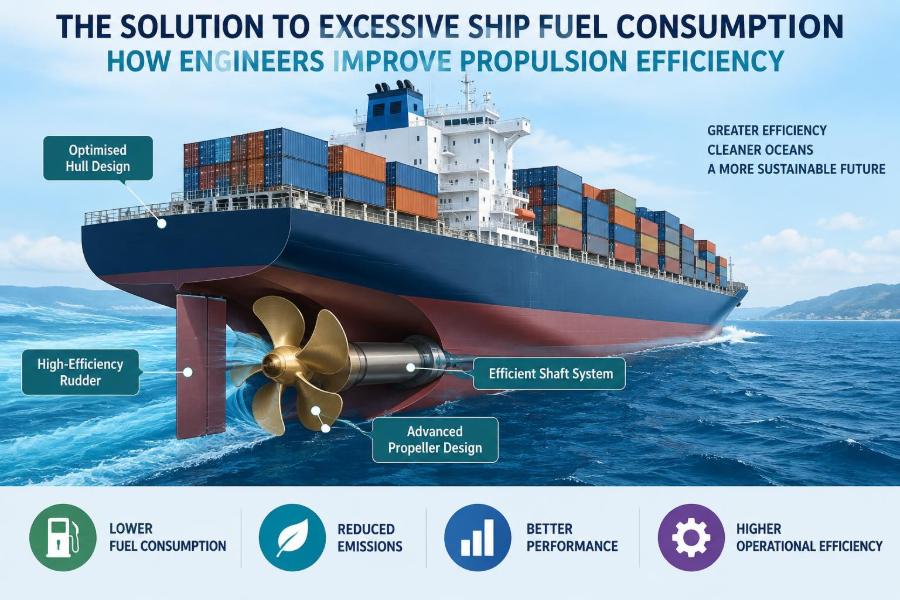
🚒 The Solution to Excessive Ship Fuel Consumption: How Engineers Improve Propulsion Efficiency

Posted by admin September 29, 2026
Higher bunker use is often a system problem, not just an engine problem. Learn how hulls, propellers, trim, machinery and voyage planning affect efficiency. πŸŒŠπŸ“ŠπŸš’
Read More
🚒 Under the Hood: How a Ship’s Propulsion System Moves Thousands of Tons Through Water
Posted inFeatured

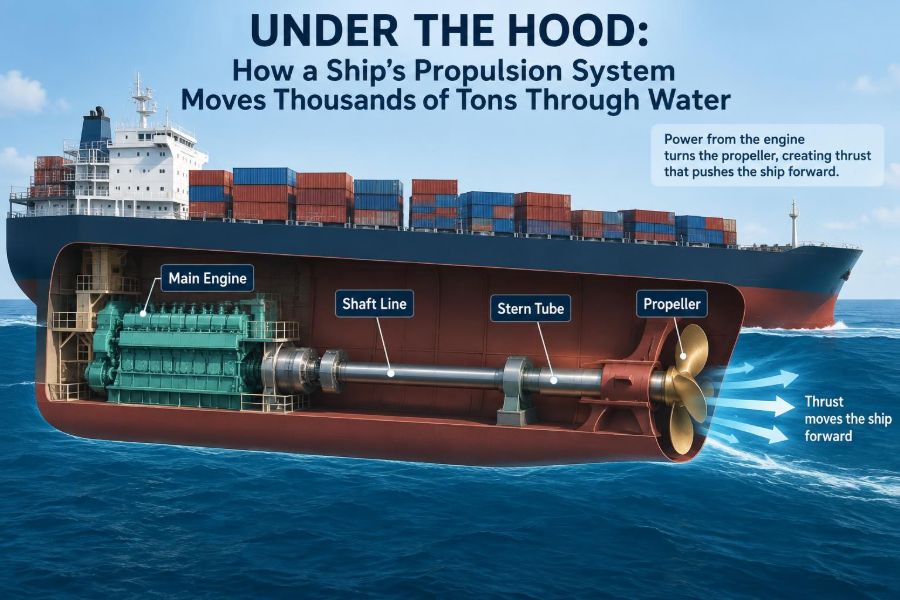
🚒 Under the Hood: How a Ship’s Propulsion System Moves Thousands of Tons Through Water

Posted by admin September 29, 2026
Follow the energy path from engine combustion to propeller thrustβ€”and learn why a clean hull, healthy shaft line, and smart controls matter at sea. πŸŒŠπŸ”§βš“
Read More
🚒 Understanding Propeller Cavitation and How It Affects Ship Performance
Posted inFeatured

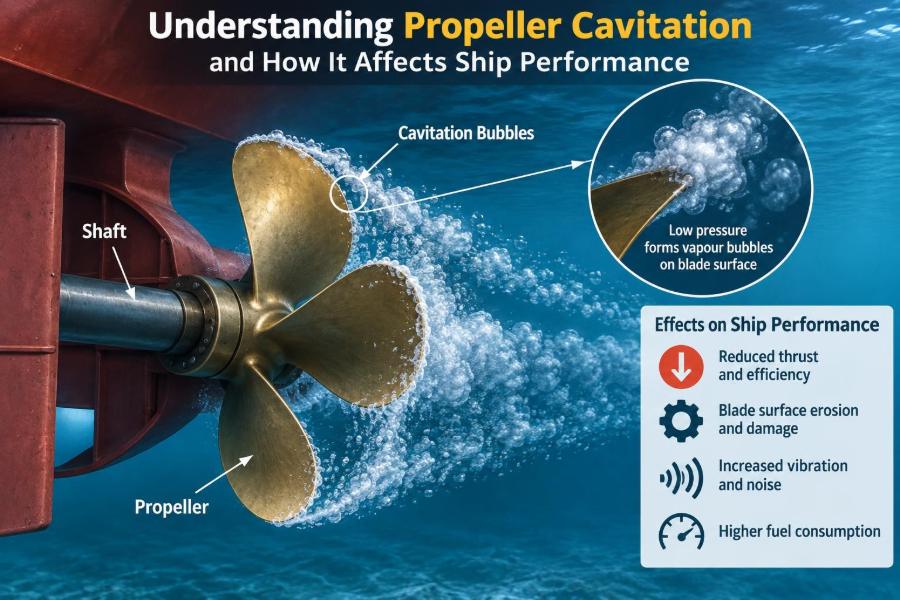
🚒 Understanding Propeller Cavitation and How It Affects Ship Performance

Posted by admin September 28, 2026
That rumble, vibration, or rising fuel use may start at the propeller. Learn how cavitation forms, what it damages, and what crews can do about it. πŸŒŠβš™οΈπŸ”
Read More
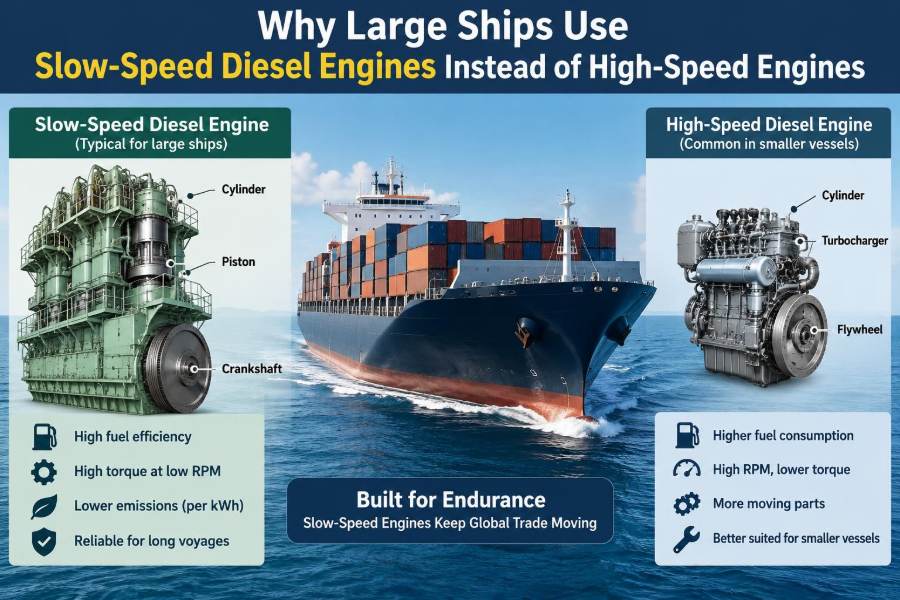
🚒 Why Large Ships Use Slow-Speed Diesel Engines Instead of High-Speed Engines
Posted inFeatured

🚒 Why Large Ships Use Slow-Speed Diesel Engines Instead of High-Speed Engines

Posted by admin September 23, 2026
A ship engine may turn at only a fraction of car-engine rpmβ€”and that is exactly the point. Explore torque, propellers, cavitation, fuel use, and direct drive. βš™οΈπŸŒŠπŸš’
Read More
🚒 Why Methanol-Fueled Ships Are Moving from Experiments to Real Commercial Fleets
Posted inFeatured

🚒 Why Methanol-Fueled Ships Are Moving from Experiments to Real Commercial Fleets

Posted by admin September 23, 2026
Methanol is no longer only a pilot-fuel story. See what makes it commercially workableβ€”and where safety, range, bunkering, and green supply still challenge operators. βš™οΈπŸŒ±πŸš’
Read More
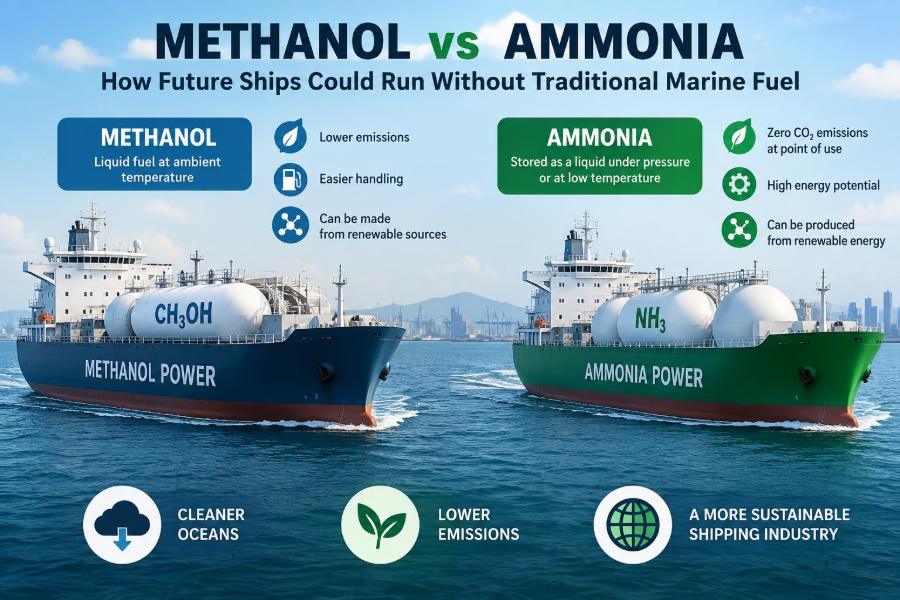
🚒 Methanol vs Ammonia: How Future Ships Could Run Without Traditional Marine Fuel
Posted inFeatured

🚒 Methanol vs Ammonia: How Future Ships Could Run Without Traditional Marine Fuel

Posted by admin September 21, 2026
Methanol and ammonia promise lower-carbon shipping, but their tanks, engines, hazards, and bunkering needs differ sharply. See what marine engineers must weigh before choosing. βš™οΈπŸŒ±πŸ›’οΈ
Read More
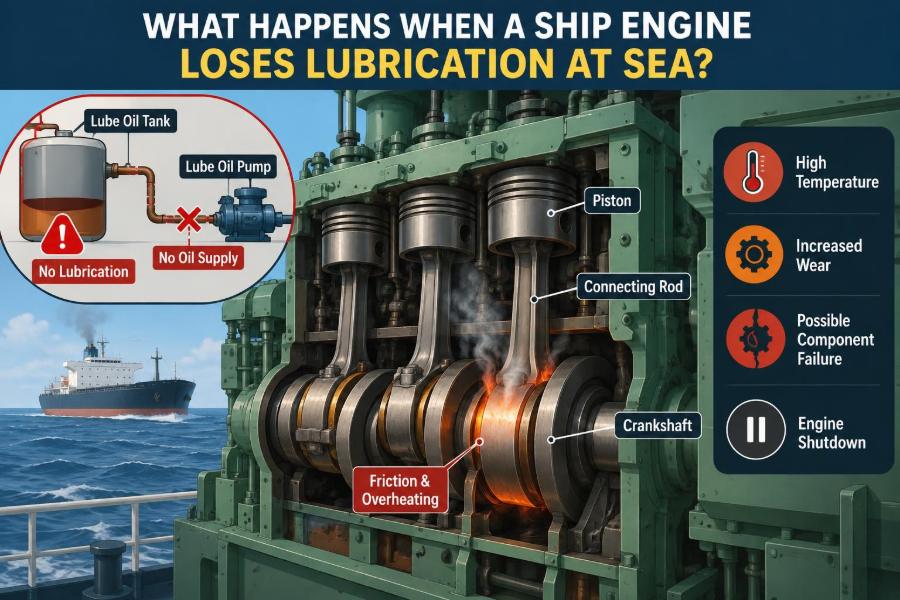
βš“ What Happens When a Ship Engine Loses Lubrication at Sea?
Posted inFeatured

βš“ What Happens When a Ship Engine Loses Lubrication at Sea?

Posted by admin September 20, 2026
A small pressure drop can become bearing damage, lost propulsion, or worse. Learn what crews check first, why alarms matter, and how oil systems protect ships at sea. πŸ›’οΈπŸ”§πŸš’
Read More
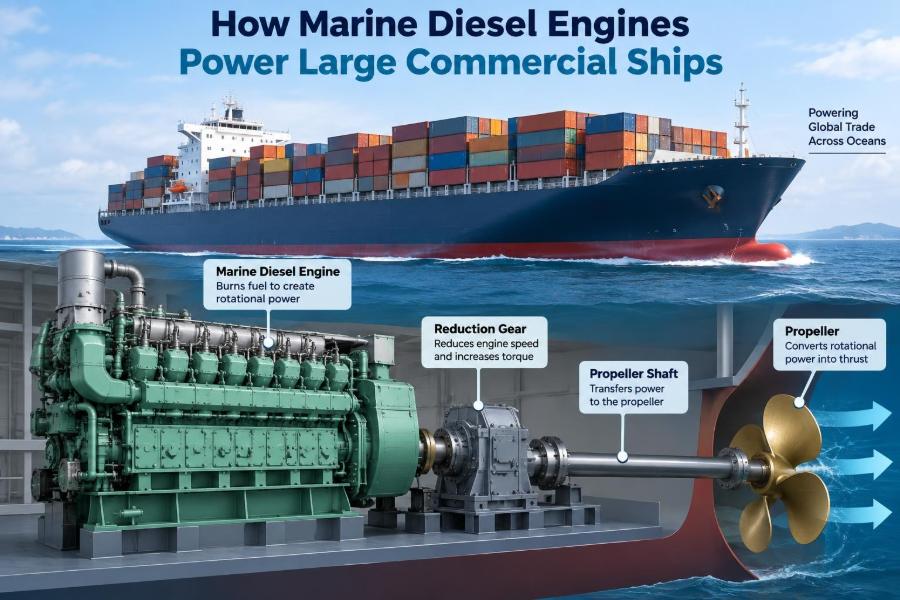
🚒 How Marine Diesel Engines Power Large Commercial Ships
Posted inFeatured

🚒 How Marine Diesel Engines Power Large Commercial Ships

Posted by admin September 18, 2026
Follow the energy path from fuel injector to propeller and see how cooling, turbocharging, shafts, controls, and skilled engineers keep commercial ships moving. πŸŒŠπŸ”§πŸš’
Read More
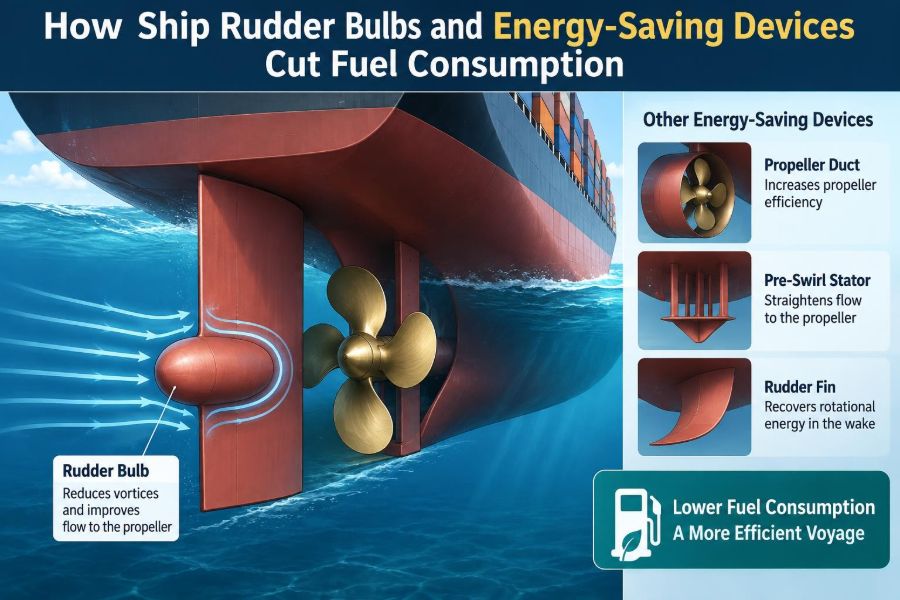
🚒 How Ship Rudder Bulbs and Energy-Saving Devices Cut Fuel Consumption
Posted inFeatured

🚒 How Ship Rudder Bulbs and Energy-Saving Devices Cut Fuel Consumption

Posted by admin September 16, 2026
Discover how rudder bulbs, ducts, fins and boss-cap devices manage propeller swirl and stern flowβ€”and why the right retrofit must fit the whole vessel. βš™οΈπŸŒŠπŸš’
Read More

Posts pagination

Previous page 1 2 3 4 Next page

Recent Posts

  • 🚒 Who Keeps a Ship’s Machinery Running During Weeks or Months at Sea?
  • 🚒 The Evolution of Ship Navigation: From Celestial Observation to Integrated Digital Bridge Systems
  • 🚒 Why Is Hull Trim So Important for Ship Speed, Stability, and Fuel Consumption?
  • 🚒 How Long Can a Cargo Ship Remain at Sea Before Maintenance, Fuel, and Crew Limits Take Over?
  • 🚒 Dealing With Marine Corrosion: How Ships Protect Hulls, Pipes, and Machinery from Seawater

Recent Comments

No comments to show.

Archives

  • November 2026
  • October 2026
  • September 2026
  • August 2026
  • July 2025
  • March 2025
  • February 2025
  • January 2025
  • October 2024
  • September 2024
  • January 2022
  • November 2021
  • October 2021
  • August 2021
  • July 2021
  • June 2021

Categories

  • Advanced
  • Basics
  • Bioremediation
  • Chemistry for Marine Engineering
  • Featured
  • General Concepts
  • Marine Auxiliary Machinery
  • Marine Control Engineering and Automation
  • Marine diesel engine
  • Marine electrical machines
  • Marine Electronics
  • Marine engine
  • Marine Engineering Materials
  • marine history
  • Marine hydraulic and fluid machinery
  • Marine Machinery and Systems Design
  • Marine machinery Drawing
  • Marine manufacturing technology
  • Marine Propulsion
  • Marine Refrigeration and Airconditioning
  • Marine steam engine
  • Marine Vehicles Performance
  • Mathematics for Marine Engineering
  • Mechanics of Marine Machines
  • navel arch
  • Ocean Exploration
  • Offshore Technology
  • safety precautions and watchkeeping
  • Seamanship Elementary Navigation and Survival at Sea
  • Ship Construction
  • ship design
  • Ship Operational Management and IMO Requirements
  • Ships Fire Prevention and Control
  • Stability of ships
  • Uncategorized
  • Underwater Engineering
Copyright 2026 — Marine Engineering. All rights reserved. Bloghash WordPress Theme
Scroll to Top