Skip to content
  • facebook.com
  • twitter.com
  • t.me
  • instagram.com
  • youtube.com
Marine Engineering

Engineering the Power Behind Every Voyage.

Subscribe
  • Home
  • Online Tools
  • Marine Engineering App
  • Home
  • marine safety
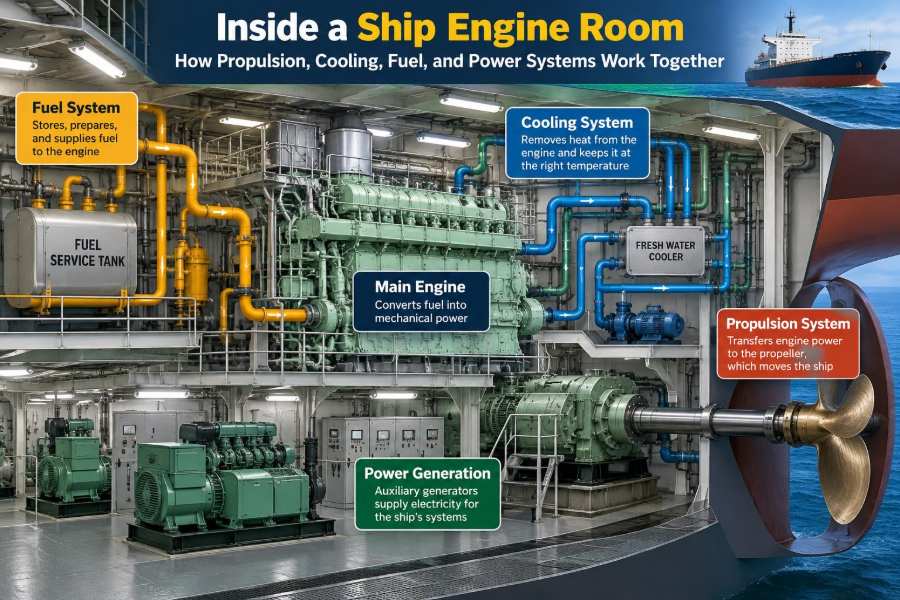
🚒 Inside a Ship Engine Room: How Propulsion, Cooling, Fuel, and Power Systems Work Together
Posted inFeatured

🚒 Inside a Ship Engine Room: How Propulsion, Cooling, Fuel, and Power Systems Work Together

Posted by admin October 29, 2026
Follow the energy path below deckβ€”from fuel treatment and propulsion to cooling loops, generators, alarms, and emergency power. See why every system depends on another. πŸŒŠπŸ”§βš‘
Read More
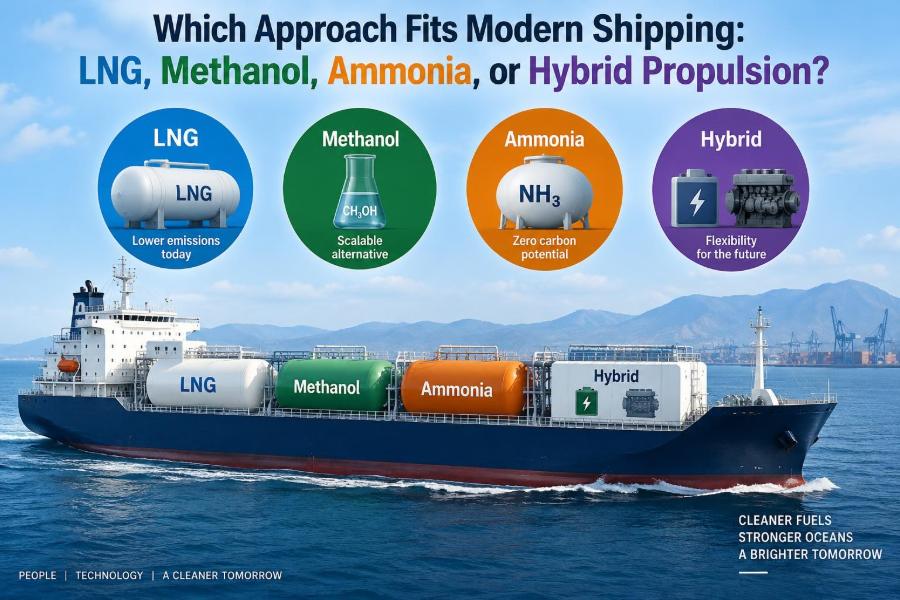
🚒 Which Approach Fits Modern Shipping: LNG, Methanol, Ammonia, or Hybrid Propulsion?
Posted inFeatured

🚒 Which Approach Fits Modern Shipping: LNG, Methanol, Ammonia, or Hybrid Propulsion?

Posted by admin October 28, 2026
LNG, methanol, ammonia, and hybrid power each solve different problems. Compare safety, storage, emissions, routes, and real-world operations before choosing. βš‘πŸŒπŸ› οΈ
Read More
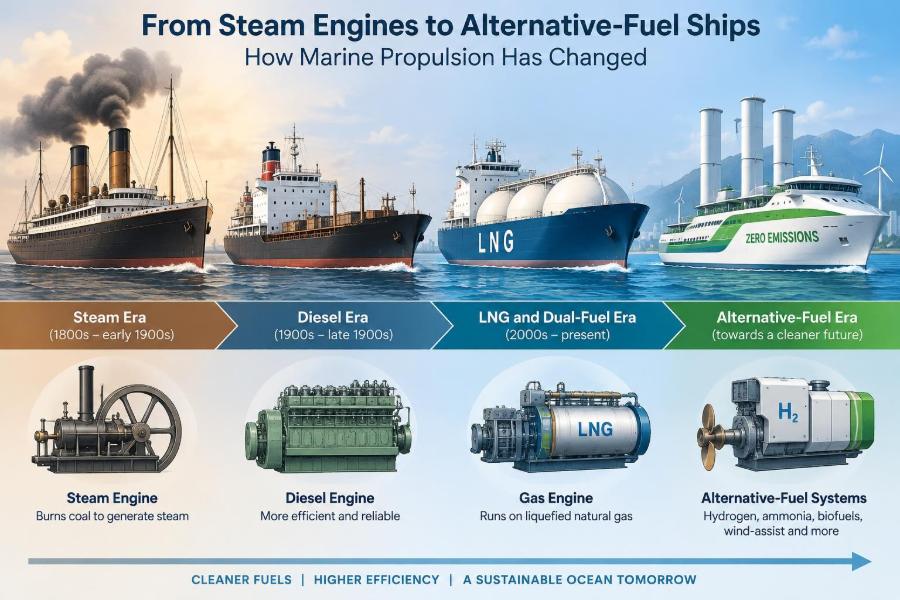
🚒 From Steam Engines to Alternative-Fuel Ships: How Marine Propulsion Has Changed
Posted inFeatured

🚒 From Steam Engines to Alternative-Fuel Ships: How Marine Propulsion Has Changed

Posted by admin October 12, 2026
Steam, diesel, batteries, methanol, ammonia, and hydrogen each reshape ship design in different ways. See the trade-offs marine engineers must solve at sea. βš™οΈπŸŒŠπŸš’
Read More
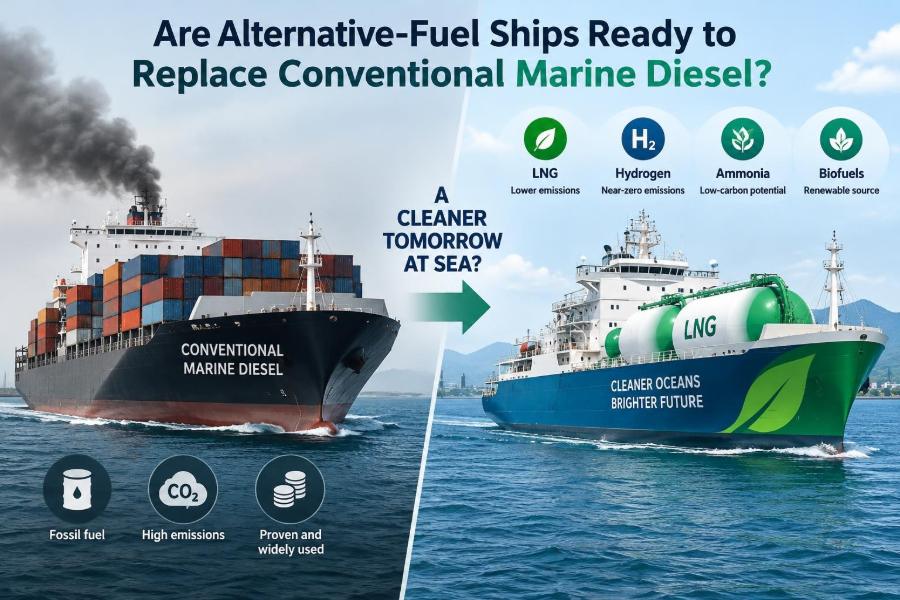
🚒 Are Alternative-Fuel Ships Ready to Replace Conventional Marine Diesel?
Posted inFeatured

🚒 Are Alternative-Fuel Ships Ready to Replace Conventional Marine Diesel?

Posted by admin October 11, 2026
Batteries, methanol, ammonia, LNG, and hydrogen all solve different problems. ⚑ Learn which fuels fit which shipsβ€”and why safety, range, and ports decide the outcome. πŸŒπŸ› οΈ
Read More
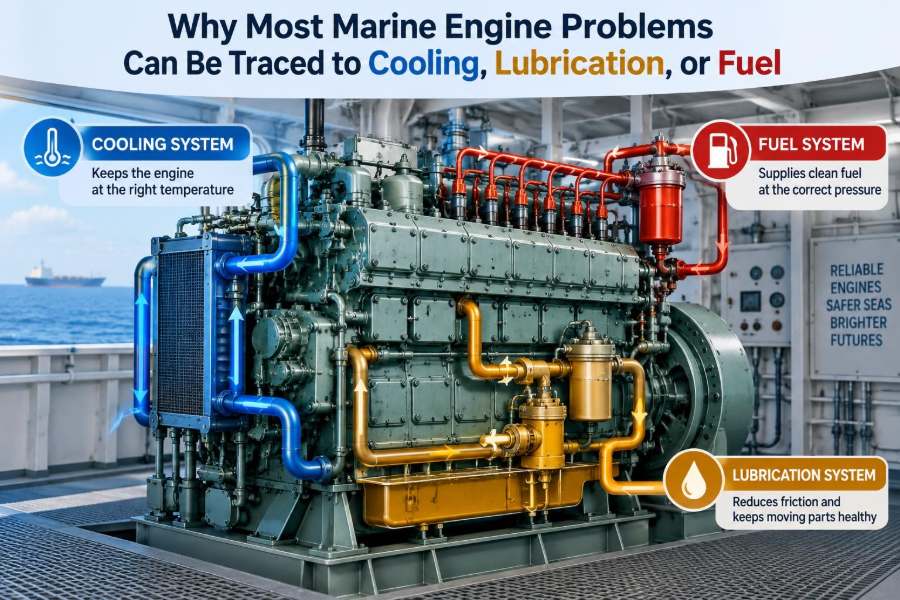
🚒 Why Most Marine Engine Problems Can Be Traced to Cooling, Lubrication, or Fuel
Posted inFeatured

🚒 Why Most Marine Engine Problems Can Be Traced to Cooling, Lubrication, or Fuel

Posted by admin October 4, 2026
High temperature, low oil pressure, and rough running often share hidden causes. Learn the cooling, lubrication, and fuel checks that make troubleshooting more logical. πŸŒ‘οΈπŸ›’οΈβš™οΈ
Read More
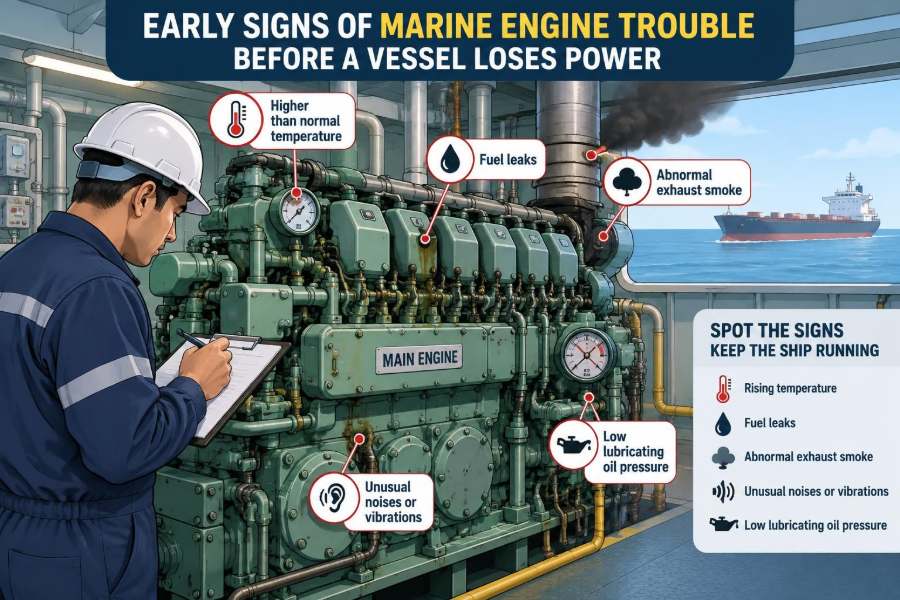
🚒 Early Signs of Marine Engine Trouble Before a Vessel Loses Power
Posted inFeatured

🚒 Early Signs of Marine Engine Trouble Before a Vessel Loses Power

Posted by admin October 1, 2026
A new vibration, uneven exhaust temperature, or unstable oil pressure can be an early clue. Learn what to check before a minor deviation becomes lost propulsion. βš™οΈπŸ”πŸš’
Read More
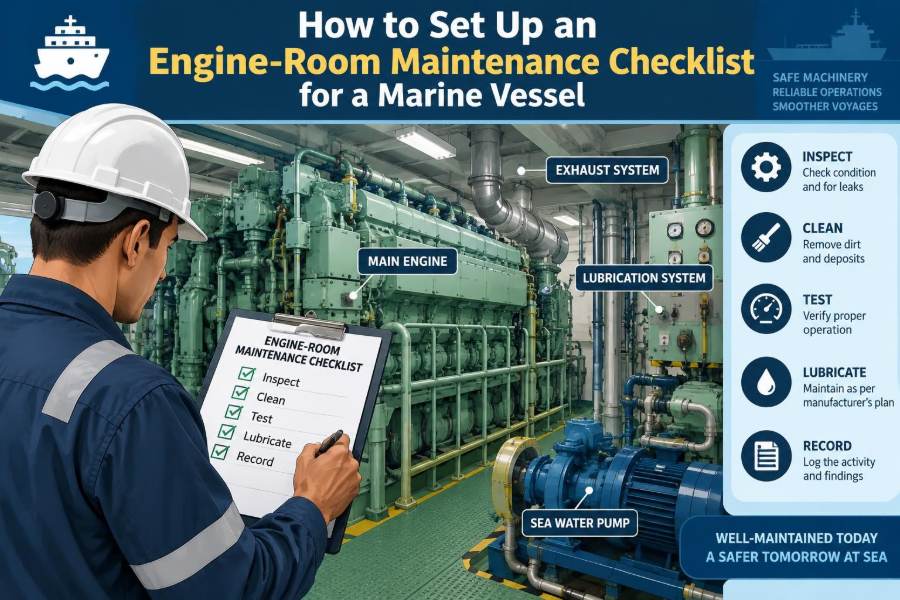
🚒 How to Set Up an Engine-Room Maintenance Checklist for a Marine Vessel
Posted inFeatured

🚒 How to Set Up an Engine-Room Maintenance Checklist for a Marine Vessel

Posted by admin September 30, 2026
Build a maintenance checklist that catches leaks, alarms, wear, and safety risks before they disrupt a voyage. Learn what to inspect, record, escalate, and improve. πŸ”§πŸ¦Ίβš™οΈ
Read More
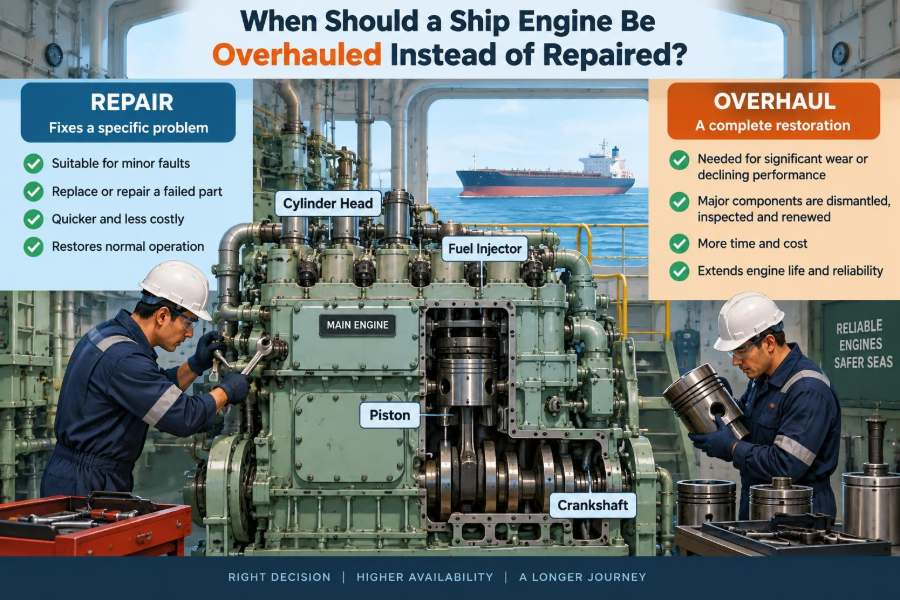
🚒 When Should a Ship Engine Be Overhauled Instead of Repaired?
Posted inFeatured

🚒 When Should a Ship Engine Be Overhauled Instead of Repaired?

Posted by admin September 25, 2026
A recurring engine fault may be more than a failed part. Learn how trends, wear limits, oil evidence, and operational risk guide the overhaul decision. πŸ”πŸ› οΈπŸš’
Read More
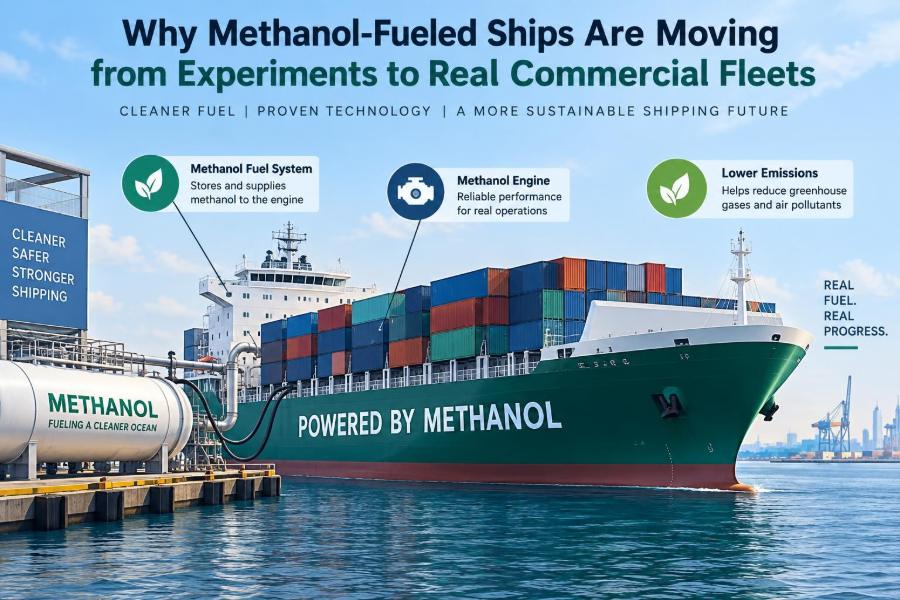
🚒 Why Methanol-Fueled Ships Are Moving from Experiments to Real Commercial Fleets
Posted inFeatured

🚒 Why Methanol-Fueled Ships Are Moving from Experiments to Real Commercial Fleets

Posted by admin September 23, 2026
Methanol is no longer only a pilot-fuel story. See what makes it commercially workableβ€”and where safety, range, bunkering, and green supply still challenge operators. βš™οΈπŸŒ±πŸš’
Read More
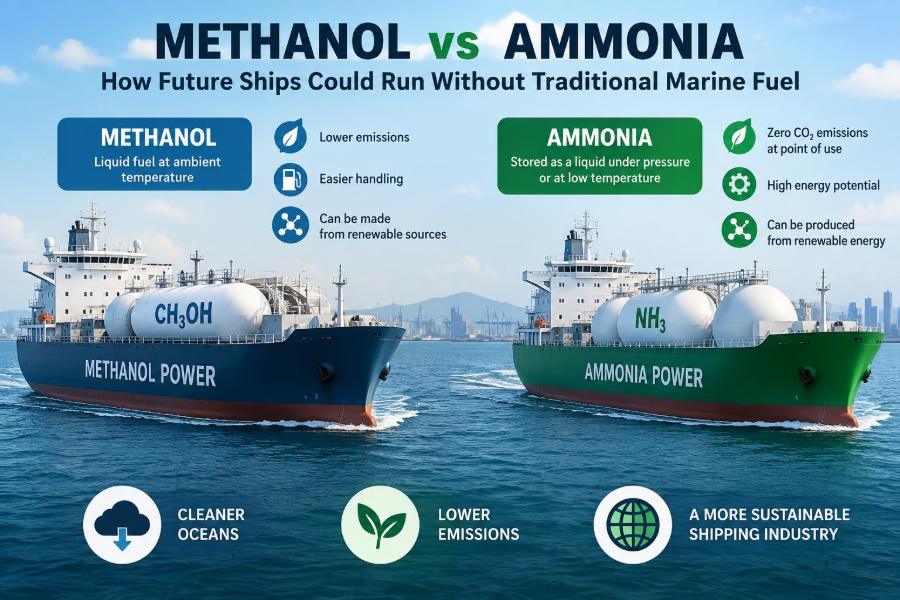
🚒 Methanol vs Ammonia: How Future Ships Could Run Without Traditional Marine Fuel
Posted inFeatured

🚒 Methanol vs Ammonia: How Future Ships Could Run Without Traditional Marine Fuel

Posted by admin September 21, 2026
Methanol and ammonia promise lower-carbon shipping, but their tanks, engines, hazards, and bunkering needs differ sharply. See what marine engineers must weigh before choosing. βš™οΈπŸŒ±πŸ›’οΈ
Read More

Posts pagination

1 2 Next page

Recent Posts

  • 🚒 Growth of Green Shipping: How New Fuels and Efficiency Technologies Are Reshaping Marine Engineering
  • 🚒 Useful AI Tools for Marine Engineers in Maintenance, Troubleshooting, Fuel Analysis, and Reporting
  • 🚒 Marine Engineer Salary: How Rank, Vessel Type, and Sea Experience Affect Earnings
  • 🚒 Explaining Propeller Slip: Why a Ship Never Moves as Far as Its Propeller Theoretically Should
  • 🚒 10 Fascinating Facts About How Giant Ships Operate Far from Land

Recent Comments

No comments to show.

Archives

  • November 2026
  • October 2026
  • September 2026
  • August 2026
  • July 2025
  • March 2025
  • February 2025
  • January 2025
  • October 2024
  • September 2024
  • January 2022
  • November 2021
  • October 2021
  • August 2021
  • July 2021
  • June 2021

Categories

  • Advanced
  • Basics
  • Bioremediation
  • Chemistry for Marine Engineering
  • Featured
  • General Concepts
  • Marine Auxiliary Machinery
  • Marine Control Engineering and Automation
  • Marine diesel engine
  • Marine electrical machines
  • Marine Electronics
  • Marine engine
  • Marine Engineering Materials
  • marine history
  • Marine hydraulic and fluid machinery
  • Marine Machinery and Systems Design
  • Marine machinery Drawing
  • Marine manufacturing technology
  • Marine Propulsion
  • Marine Refrigeration and Airconditioning
  • Marine steam engine
  • Marine Vehicles Performance
  • Mathematics for Marine Engineering
  • Mechanics of Marine Machines
  • navel arch
  • Ocean Exploration
  • Offshore Technology
  • safety precautions and watchkeeping
  • Seamanship Elementary Navigation and Survival at Sea
  • Ship Construction
  • ship design
  • Ship Operational Management and IMO Requirements
  • Ships Fire Prevention and Control
  • Stability of ships
  • Uncategorized
  • Underwater Engineering
Copyright 2026 — Marine Engineering. All rights reserved. Bloghash WordPress Theme
Scroll to Top