Skip to content
  • facebook.com
  • twitter.com
  • t.me
  • instagram.com
  • youtube.com
Marine Engineering

Engineering the Power Behind Every Voyage.

Subscribe
  • Home
  • Online Tools
  • Marine Engineering App
  • Home
  • marine propulsion
  • Page 2
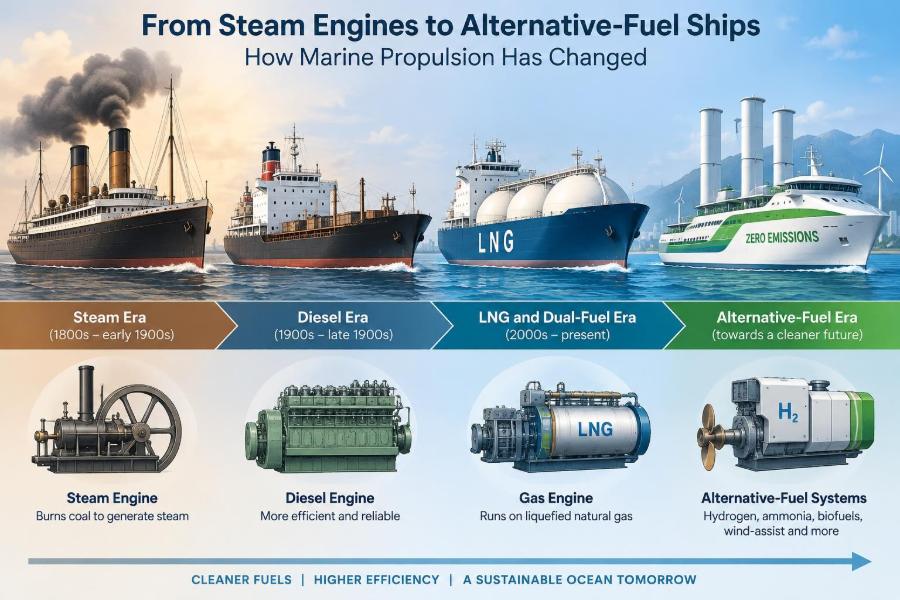
🚒 From Steam Engines to Alternative-Fuel Ships: How Marine Propulsion Has Changed
Posted inFeatured

🚒 From Steam Engines to Alternative-Fuel Ships: How Marine Propulsion Has Changed

Posted by admin October 12, 2026
Steam, diesel, batteries, methanol, ammonia, and hydrogen each reshape ship design in different ways. See the trade-offs marine engineers must solve at sea. βš™οΈπŸŒŠπŸš’
Read More
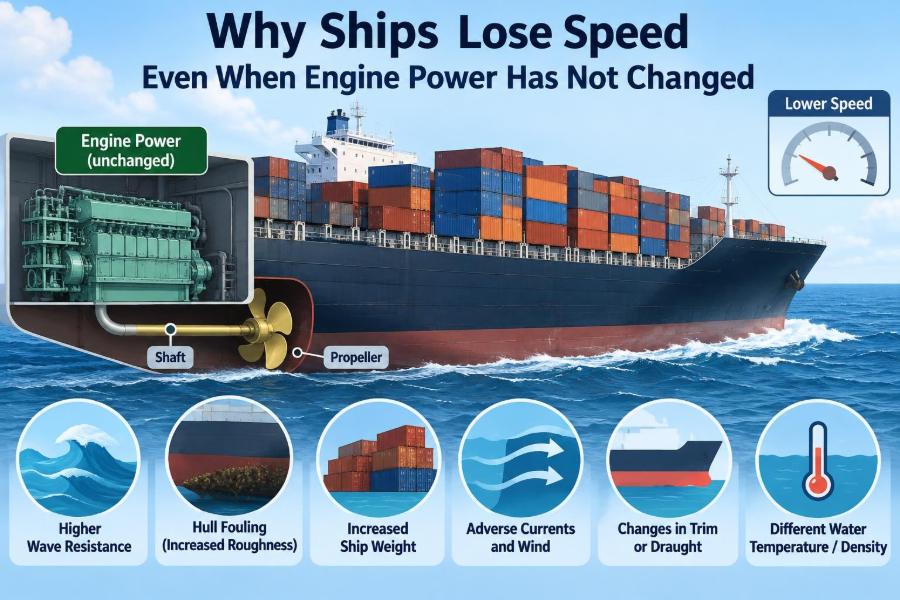
🚒 Why Ships Lose Speed Even When Engine Power Has Not Changed
Posted inFeatured

🚒 Why Ships Lose Speed Even When Engine Power Has Not Changed

Posted by admin October 5, 2026
Same rpm, same engine loadβ€”yet less speed? Discover how currents, waves, hull fouling, propeller condition, trim, and data errors reshape ship performance. πŸŒŠβš™οΈπŸ“Š
Read More
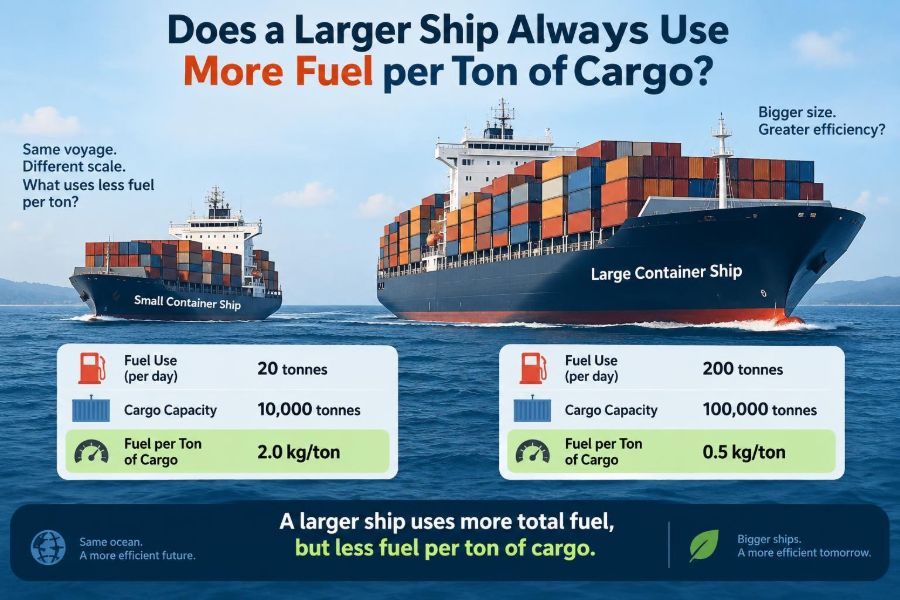
🚒 Does a Larger Ship Always Use More Fuel per Ton of Cargo?
Posted inFeatured

🚒 Does a Larger Ship Always Use More Fuel per Ton of Cargo?

Posted by admin October 3, 2026
A larger vessel burns more fuel each dayβ€”but may still move cargo more efficiently. Explore speed, payload, ballast legs, hull resistance, and the real calculation. βš“πŸ“ŠπŸŒŠ
Read More
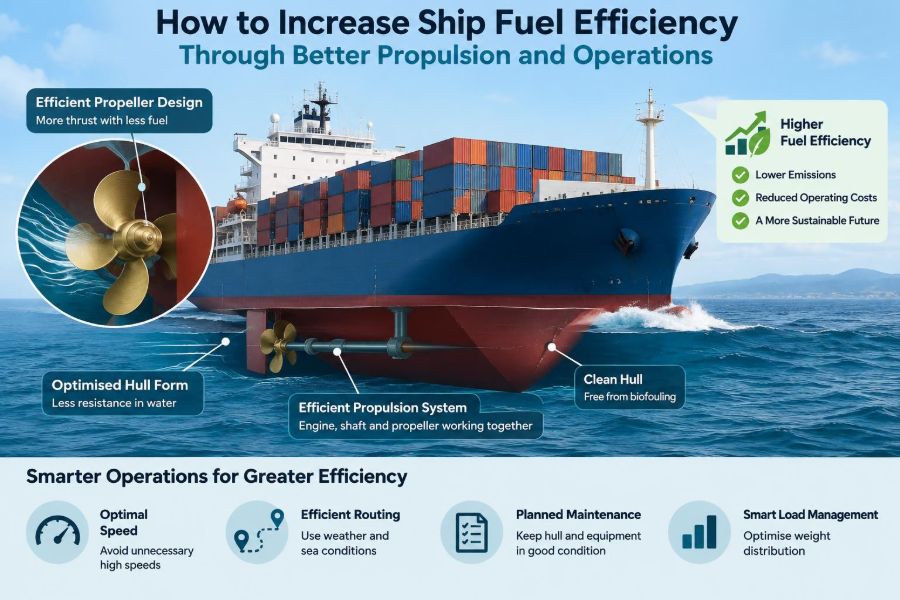
🚒 How to Increase Ship Fuel Efficiency Through Better Propulsion and Operations
Posted inFeatured

🚒 How to Increase Ship Fuel Efficiency Through Better Propulsion and Operations

Posted by admin October 2, 2026
Discover how hull condition, propeller care, speed planning, engine tuning, routing, and onboard habits work together to lower fuel use safely. πŸŒŠπŸ“ŠπŸ› οΈ
Read More
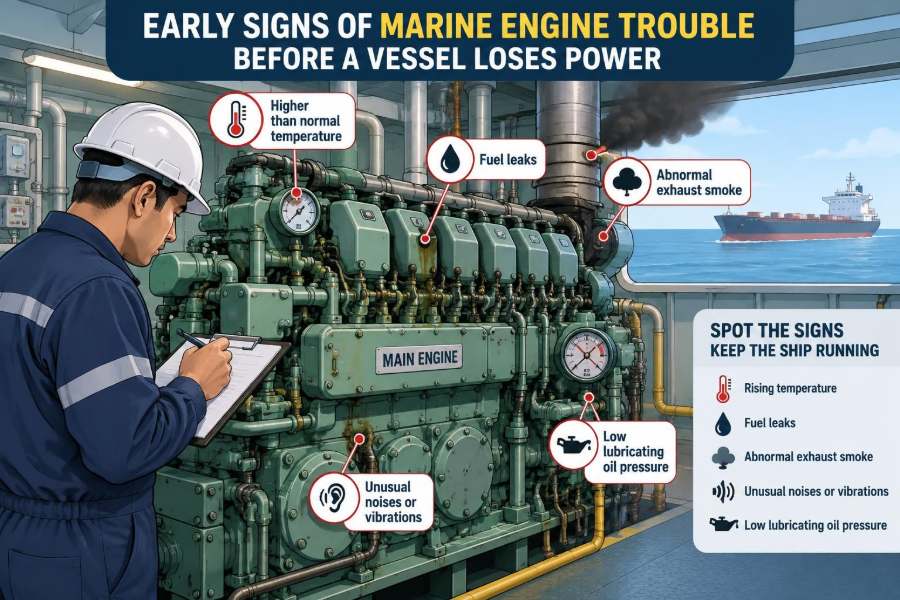
🚒 Early Signs of Marine Engine Trouble Before a Vessel Loses Power
Posted inFeatured

🚒 Early Signs of Marine Engine Trouble Before a Vessel Loses Power

Posted by admin October 1, 2026
A new vibration, uneven exhaust temperature, or unstable oil pressure can be an early clue. Learn what to check before a minor deviation becomes lost propulsion. βš™οΈπŸ”πŸš’
Read More
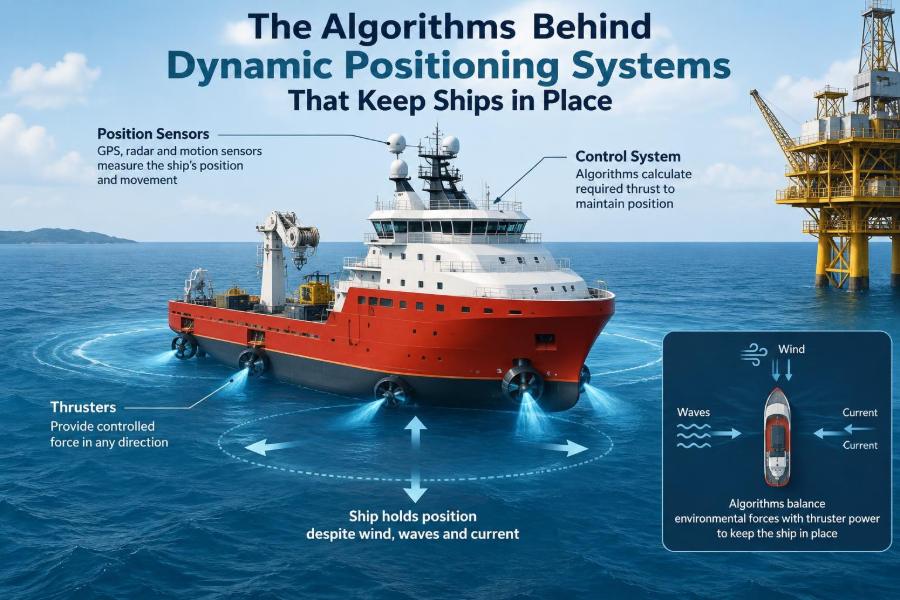
🚒 The Algorithms Behind Dynamic Positioning Systems That Keep Ships in Place
Posted inFeatured

🚒 The Algorithms Behind Dynamic Positioning Systems That Keep Ships in Place

Posted by admin October 1, 2026
Discover how sensors, predictive control, thrusters, and power systems work together to hold offshore vessels on stationβ€”even when wind, waves, and current disagree. βš“πŸŒŠπŸ”§
Read More
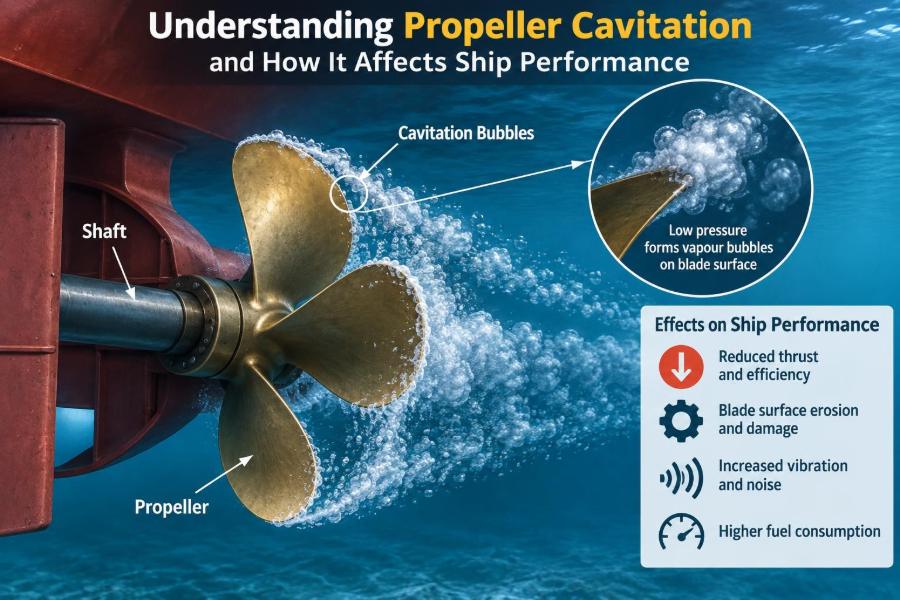
🚒 Understanding Propeller Cavitation and How It Affects Ship Performance
Posted inFeatured

🚒 Understanding Propeller Cavitation and How It Affects Ship Performance

Posted by admin September 28, 2026
That rumble, vibration, or rising fuel use may start at the propeller. Learn how cavitation forms, what it damages, and what crews can do about it. πŸŒŠβš™οΈπŸ”
Read More
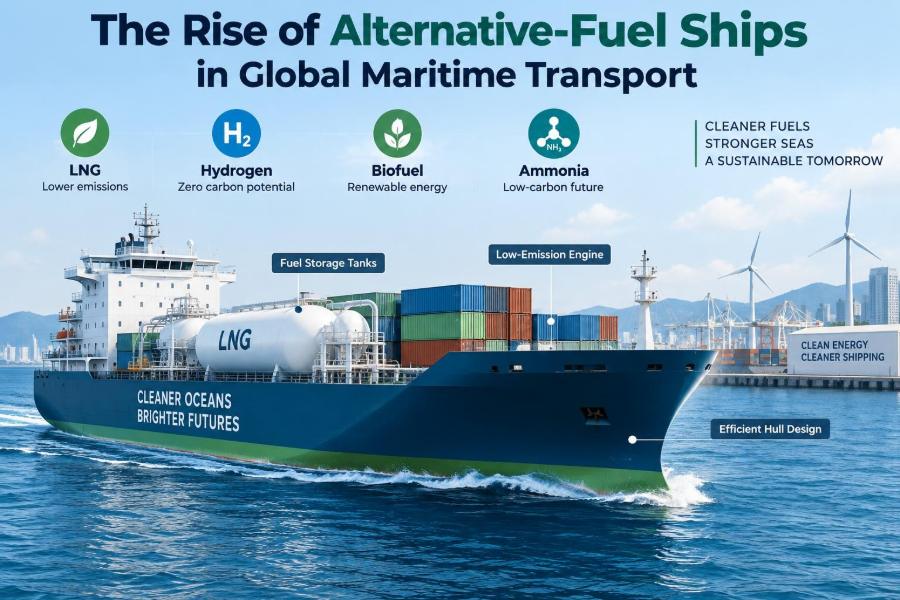
🚒 The Rise of Alternative-Fuel Ships in Global Maritime Transport
Posted inFeatured

🚒 The Rise of Alternative-Fuel Ships in Global Maritime Transport

Posted by admin September 28, 2026
From LNG and methanol to ammonia, hydrogen, batteries, and wind assistance, discover the engineering trade-offs reshaping global shipping. βš“πŸŒπŸ§ͺ
Read More
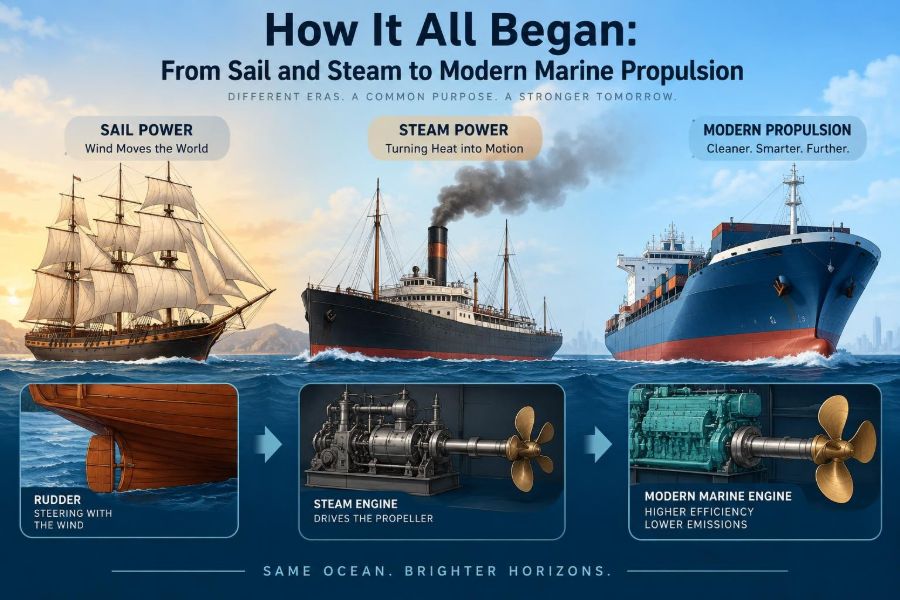
🚒 How It All Began: From Sail and Steam to Modern Marine Propulsion
Posted inFeatured

🚒 How It All Began: From Sail and Steam to Modern Marine Propulsion

Posted by admin September 27, 2026
Trace the engineering choices behind sails, steam engines, diesel power, propellers, electric drives, and emerging fuels. See how ships turn energy into thrust βš™οΈπŸŒŠπŸš’
Read More
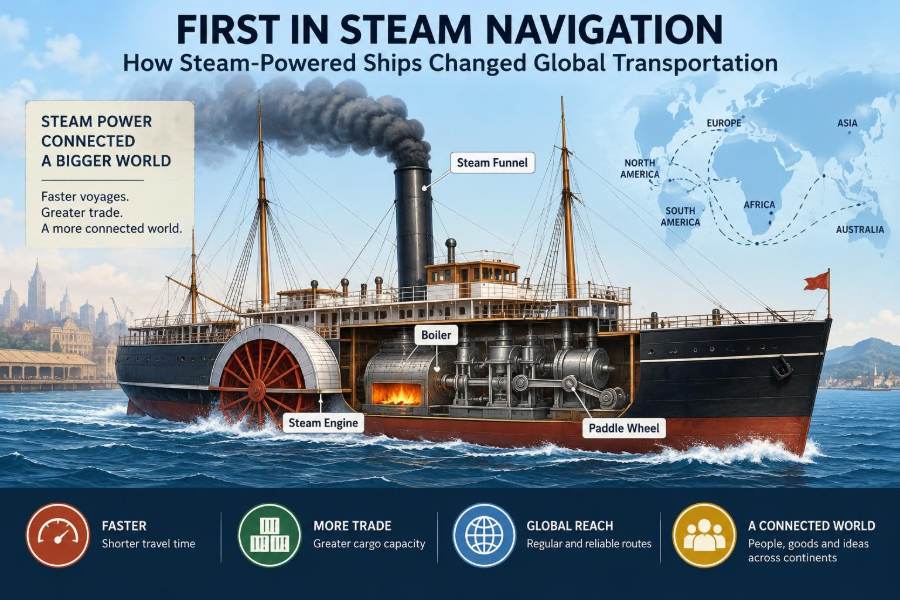
🚒 First in Steam Navigation: How Steam-Powered Ships Changed Global Transportation
Posted inFeatured

🚒 First in Steam Navigation: How Steam-Powered Ships Changed Global Transportation

Posted by admin September 24, 2026
From river paddle boats to ocean routes, discover how boilers, engines, coal, and schedules transformed travelβ€”and why steam still matters to marine engineers. βš™οΈπŸŒŠβš“
Read More

Posts pagination

Previous page 1 2 3 Next page

Recent Posts

  • 🚒 How Refrigerated Cargo Ships Maintain Precise Temperatures During Long-Distance Ocean Transportation
  • 🚒 Why Ships Use Sacrificial Anodes and How a Small Piece of Metal Protects an Entire Hull
  • 🚒 Inside a Marine Fuel Purifier: How Ships Remove Water and Contaminants Before Fuel Reaches the Engine
  • 🚒 Inside a Marine Steering Gear System: How Hydraulic Machinery Turns a Massive Ship’s Rudder
  • 🚒 How Marine Engineers Use Oily Water Separators to Prevent Pollution from Ship Machinery Spaces

Recent Comments

No comments to show.

Archives

  • November 2026
  • October 2026
  • September 2026
  • August 2026
  • July 2025
  • March 2025
  • February 2025
  • January 2025
  • October 2024
  • September 2024
  • January 2022
  • November 2021
  • October 2021
  • August 2021
  • July 2021
  • June 2021

Categories

  • Advanced
  • Basics
  • Bioremediation
  • Chemistry for Marine Engineering
  • Featured
  • General Concepts
  • Marine Auxiliary Machinery
  • Marine Control Engineering and Automation
  • Marine diesel engine
  • Marine electrical machines
  • Marine Electronics
  • Marine engine
  • Marine Engineering Materials
  • marine history
  • Marine hydraulic and fluid machinery
  • Marine Machinery and Systems Design
  • Marine machinery Drawing
  • Marine manufacturing technology
  • Marine Propulsion
  • Marine Refrigeration and Airconditioning
  • Marine steam engine
  • Marine Vehicles Performance
  • Mathematics for Marine Engineering
  • Mechanics of Marine Machines
  • navel arch
  • Ocean Exploration
  • Offshore Technology
  • safety precautions and watchkeeping
  • Seamanship Elementary Navigation and Survival at Sea
  • Ship Construction
  • ship design
  • Ship Operational Management and IMO Requirements
  • Ships Fire Prevention and Control
  • Stability of ships
  • Uncategorized
  • Underwater Engineering
Copyright 2026 — Marine Engineering. All rights reserved. Bloghash WordPress Theme
Scroll to Top