Skip to content
  • facebook.com
  • twitter.com
  • t.me
  • instagram.com
  • youtube.com
Marine Engineering

Engineering the Power Behind Every Voyage.

Subscribe
  • Home
  • Online Tools
  • Marine Engineering App
  • Home
  • ship efficiency
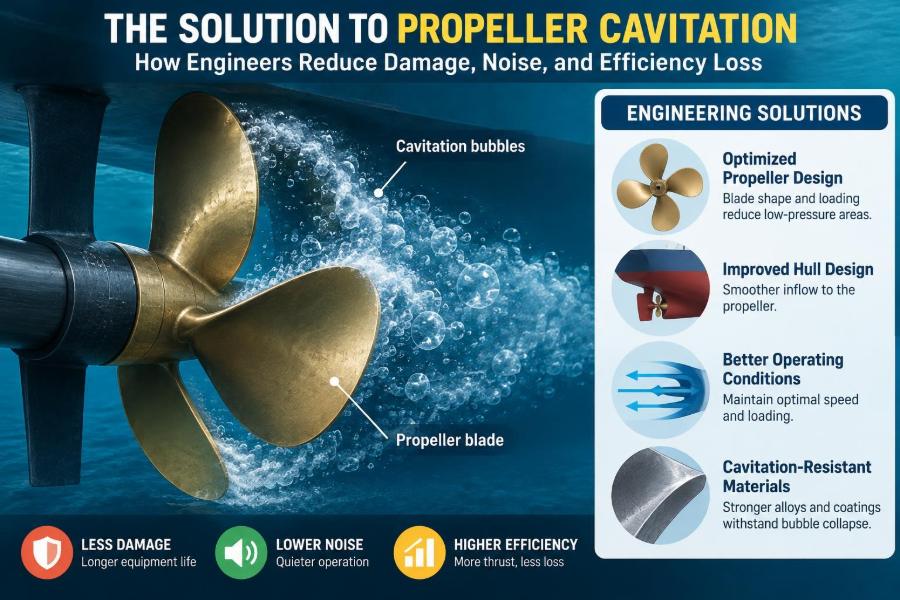
🚢 The Solution to Propeller Cavitation: How Engineers Reduce Damage, Noise, and Efficiency Loss
Posted inFeatured

🚢 The Solution to Propeller Cavitation: How Engineers Reduce Damage, Noise, and Efficiency Loss

Posted by admin November 12, 2026
Cavitation can pit blades, waste engine power, and shake a vessel’s stern. Learn how flow, RPM, blade design, and maintenance work together to control it. 🌊🔧⚙️
Read More
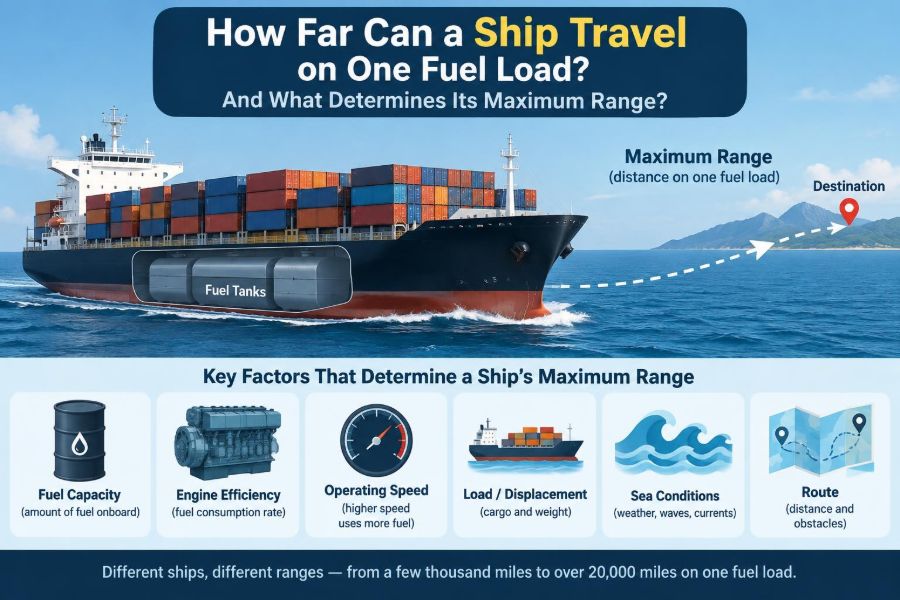
🚢 How Far Can a Ship Travel on One Fuel Load and What Determines Its Maximum Range?
Posted inFeatured

🚢 How Far Can a Ship Travel on One Fuel Load and What Determines Its Maximum Range?

Posted by admin October 20, 2026
A ship’s range is more than tank size. See how speed, weather, currents, auxiliary power, fuel reserves, and hull condition change the real answer. ⛽🌊⚙️
Read More
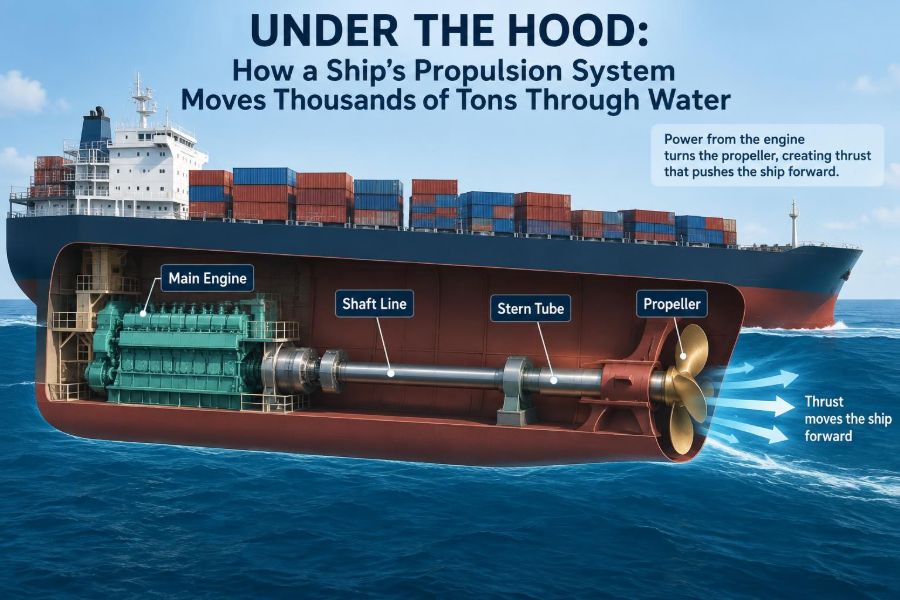
🚢 Under the Hood: How a Ship’s Propulsion System Moves Thousands of Tons Through Water
Posted inFeatured

🚢 Under the Hood: How a Ship’s Propulsion System Moves Thousands of Tons Through Water

Posted by admin September 29, 2026
Follow the energy path from engine combustion to propeller thrust—and learn why a clean hull, healthy shaft line, and smart controls matter at sea. 🌊🔧⚓
Read More
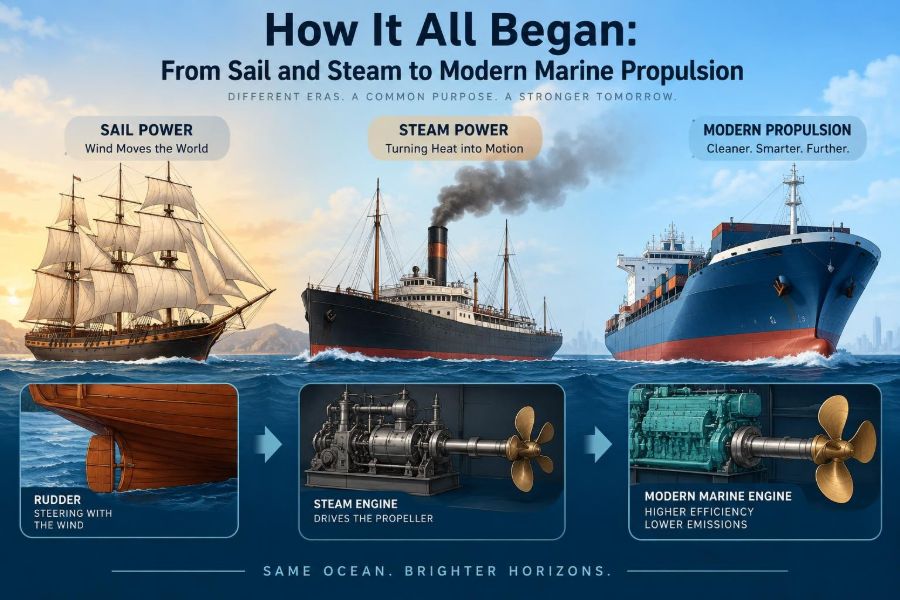
🚢 How It All Began: From Sail and Steam to Modern Marine Propulsion
Posted inFeatured

🚢 How It All Began: From Sail and Steam to Modern Marine Propulsion

Posted by admin September 27, 2026
Trace the engineering choices behind sails, steam engines, diesel power, propellers, electric drives, and emerging fuels. See how ships turn energy into thrust ⚙️🌊🚢
Read More
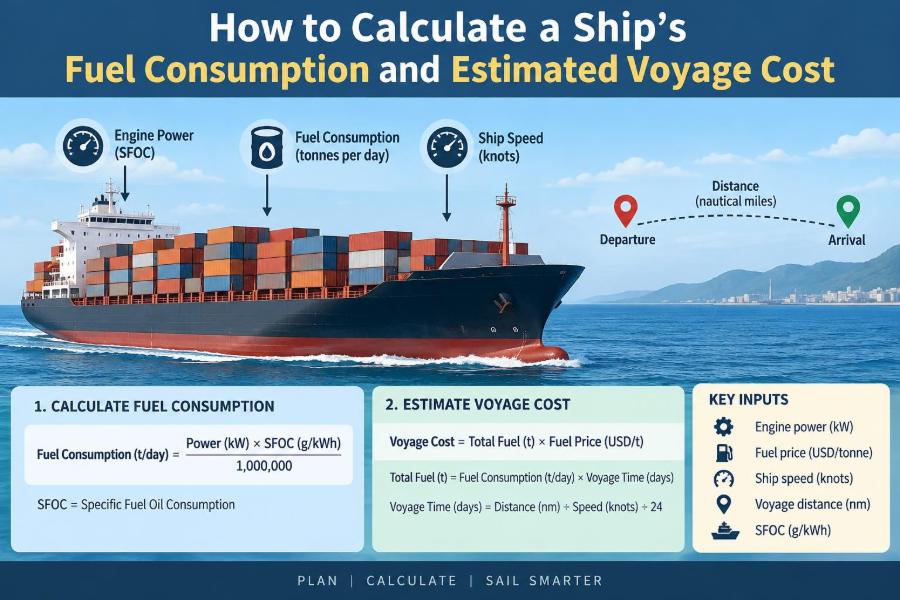
🚢 How to Calculate a Ship’s Fuel Consumption and Estimated Voyage Cost
Posted inFeatured

🚢 How to Calculate a Ship’s Fuel Consumption and Estimated Voyage Cost

Posted by admin September 26, 2026
Turn route distance, speed, engine loads, port time, reserves, and bunker prices into a practical voyage estimate. Avoid the calculation traps that distort fuel budgets. ⚙️🛢️📊
Read More

Recent Posts

  • 🚢 How Refrigerated Cargo Ships Maintain Precise Temperatures During Long-Distance Ocean Transportation
  • 🚢 Why Ships Use Sacrificial Anodes and How a Small Piece of Metal Protects an Entire Hull
  • 🚢 Inside a Marine Fuel Purifier: How Ships Remove Water and Contaminants Before Fuel Reaches the Engine
  • 🚢 Inside a Marine Steering Gear System: How Hydraulic Machinery Turns a Massive Ship’s Rudder
  • 🚢 How Marine Engineers Use Oily Water Separators to Prevent Pollution from Ship Machinery Spaces

Recent Comments

No comments to show.

Archives

  • November 2026
  • October 2026
  • September 2026
  • August 2026
  • July 2025
  • March 2025
  • February 2025
  • January 2025
  • October 2024
  • September 2024
  • January 2022
  • November 2021
  • October 2021
  • August 2021
  • July 2021
  • June 2021

Categories

  • Advanced
  • Basics
  • Bioremediation
  • Chemistry for Marine Engineering
  • Featured
  • General Concepts
  • Marine Auxiliary Machinery
  • Marine Control Engineering and Automation
  • Marine diesel engine
  • Marine electrical machines
  • Marine Electronics
  • Marine engine
  • Marine Engineering Materials
  • marine history
  • Marine hydraulic and fluid machinery
  • Marine Machinery and Systems Design
  • Marine machinery Drawing
  • Marine manufacturing technology
  • Marine Propulsion
  • Marine Refrigeration and Airconditioning
  • Marine steam engine
  • Marine Vehicles Performance
  • Mathematics for Marine Engineering
  • Mechanics of Marine Machines
  • navel arch
  • Ocean Exploration
  • Offshore Technology
  • safety precautions and watchkeeping
  • Seamanship Elementary Navigation and Survival at Sea
  • Ship Construction
  • ship design
  • Ship Operational Management and IMO Requirements
  • Ships Fire Prevention and Control
  • Stability of ships
  • Uncategorized
  • Underwater Engineering
Copyright 2026 — Marine Engineering. All rights reserved. Bloghash WordPress Theme
Scroll to Top