Skip to content
  • facebook.com
  • twitter.com
  • t.me
  • instagram.com
  • youtube.com
Marine Engineering

Engineering the Power Behind Every Voyage.

Subscribe
  • Home
  • Online Tools
  • Marine Engineering App
  • Home
  • Naval Architecture
  • Page 2
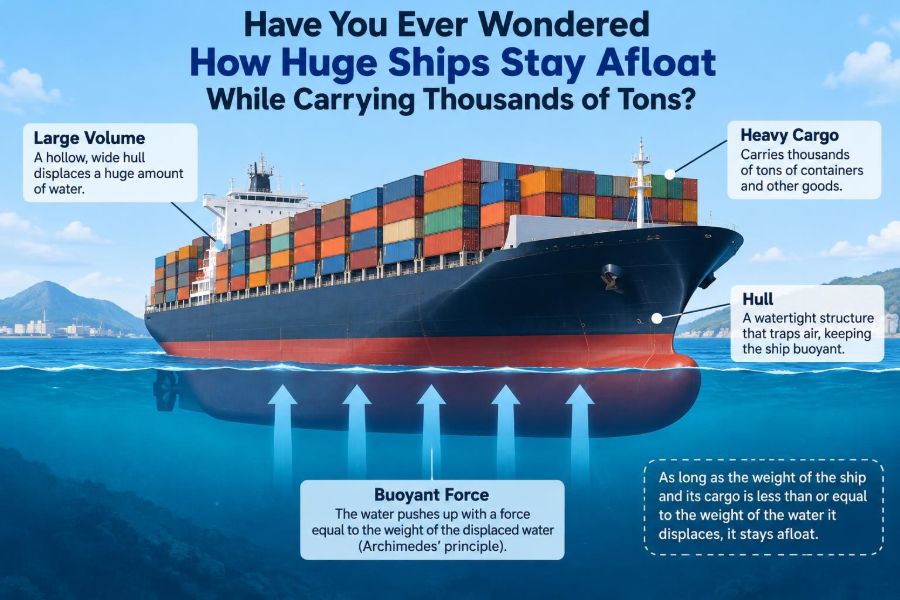
๐Ÿšข Have You Ever Wondered How Huge Ships Stay Afloat While Carrying Thousands of Tons?
Posted inFeatured

๐Ÿšข Have You Ever Wondered How Huge Ships Stay Afloat While Carrying Thousands of Tons?

Posted by admin October 9, 2026
A huge ship floats by more than simple buoyancy. Explore displacement, stability, ballast, cargo loading, and the safety margins that keep vessels upright. โš“๐ŸŒŠ๐Ÿ“ฆ
Read More
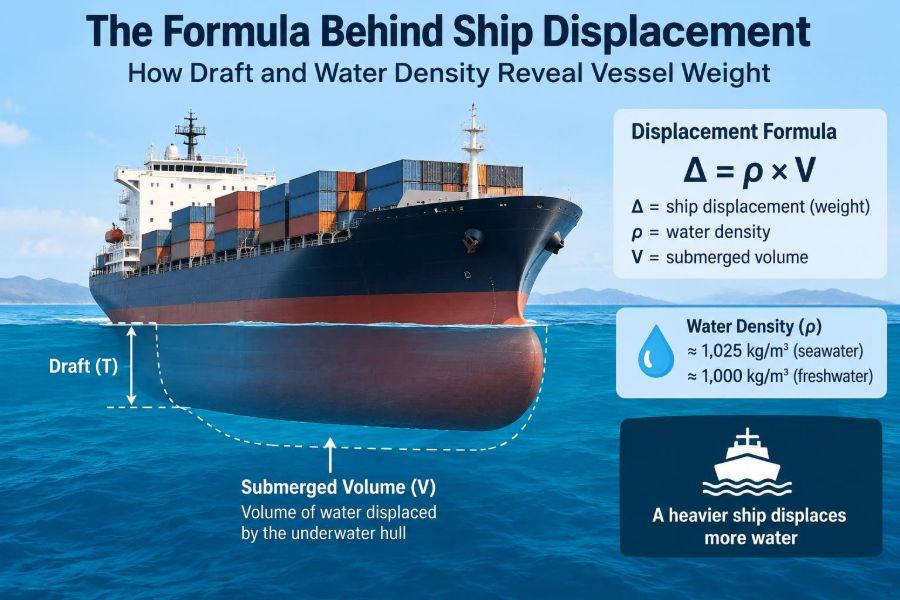
๐Ÿšข The Formula Behind Ship Displacement: How Draft and Water Density Reveal Vessel Weight
Posted inFeatured

๐Ÿšข The Formula Behind Ship Displacement: How Draft and Water Density Reveal Vessel Weight

Posted by admin October 6, 2026
A floating vessel is a giant weighing instrument. Learn how draft readings, hydrostatic tables, and water density turn buoyancy into a practical displacement calculation. โš“๐ŸŒŠ๐Ÿ“
Read More
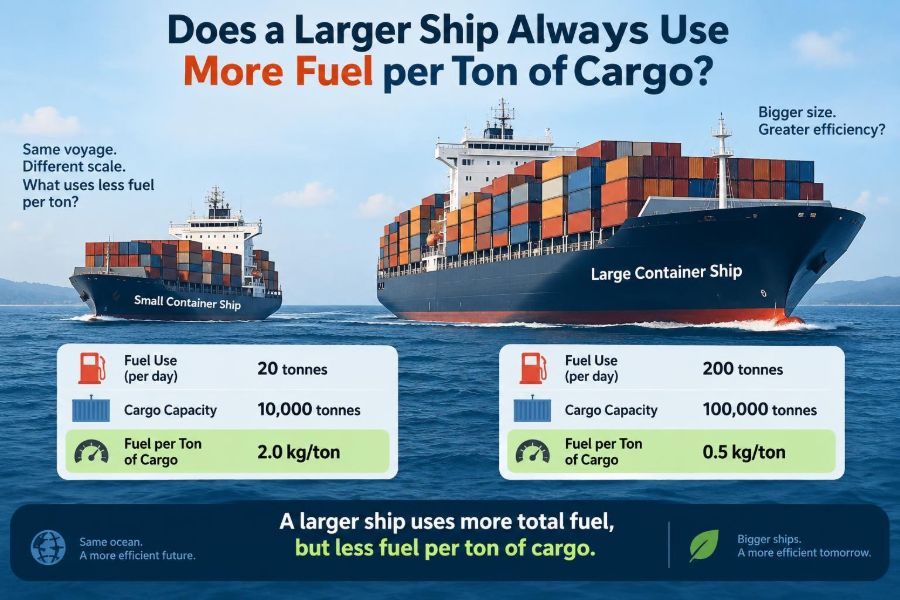
๐Ÿšข Does a Larger Ship Always Use More Fuel per Ton of Cargo?
Posted inFeatured

๐Ÿšข Does a Larger Ship Always Use More Fuel per Ton of Cargo?

Posted by admin October 3, 2026
A larger vessel burns more fuel each dayโ€”but may still move cargo more efficiently. Explore speed, payload, ballast legs, hull resistance, and the real calculation. โš“๐Ÿ“Š๐ŸŒŠ
Read More
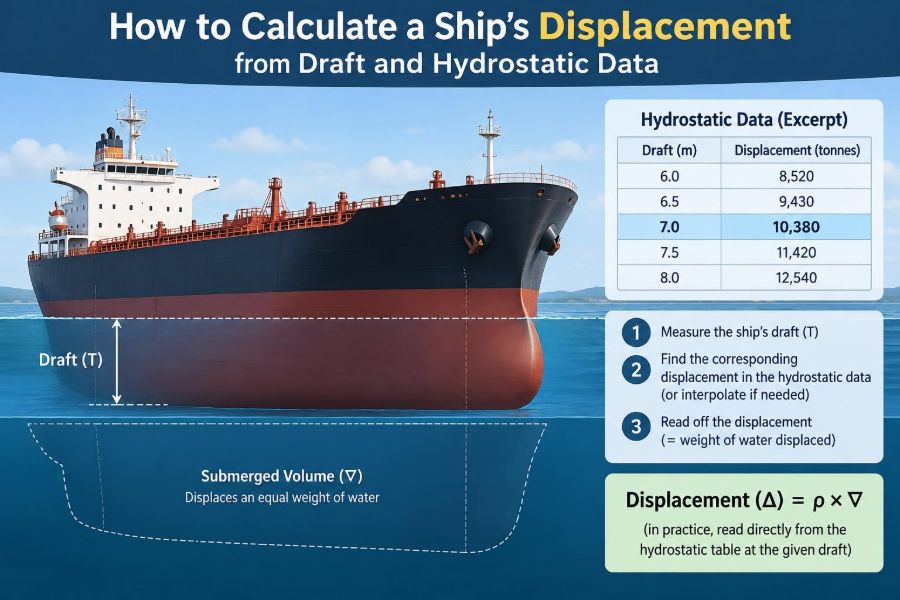
๐Ÿšข How to Calculate a Shipโ€™s Displacement from Draft and Hydrostatic Data
Posted inFeatured

๐Ÿšข How to Calculate a Shipโ€™s Displacement from Draft and Hydrostatic Data

Posted by admin September 30, 2026
Learn how draft readings, trim corrections, hydrostatic tables, and water density combine to estimate displacement accuratelyโ€”and spot the errors that can mislead a survey. โš“๐ŸŒŠ๐Ÿงฎ
Read More
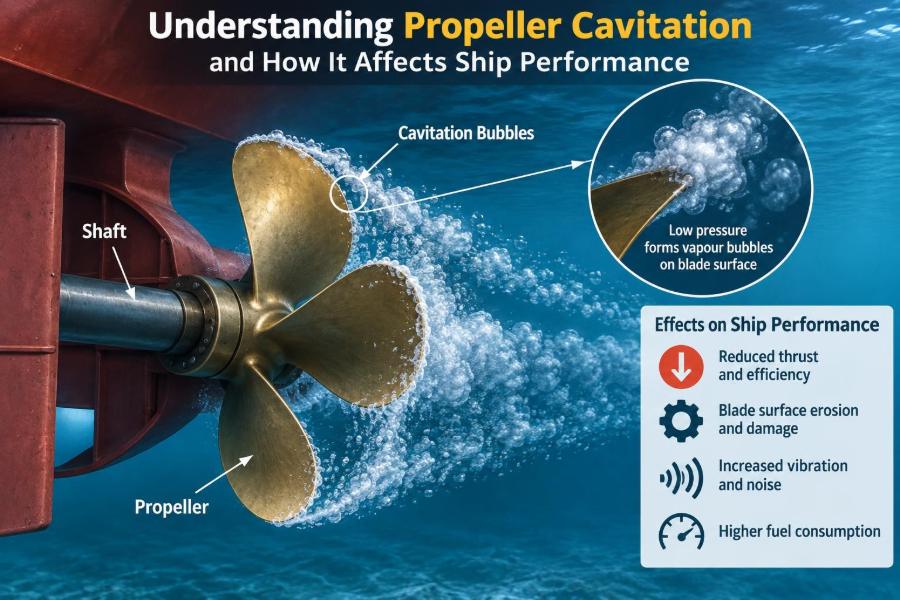
๐Ÿšข Understanding Propeller Cavitation and How It Affects Ship Performance
Posted inFeatured

๐Ÿšข Understanding Propeller Cavitation and How It Affects Ship Performance

Posted by admin September 28, 2026
That rumble, vibration, or rising fuel use may start at the propeller. Learn how cavitation forms, what it damages, and what crews can do about it. ๐ŸŒŠโš™๏ธ๐Ÿ”
Read More
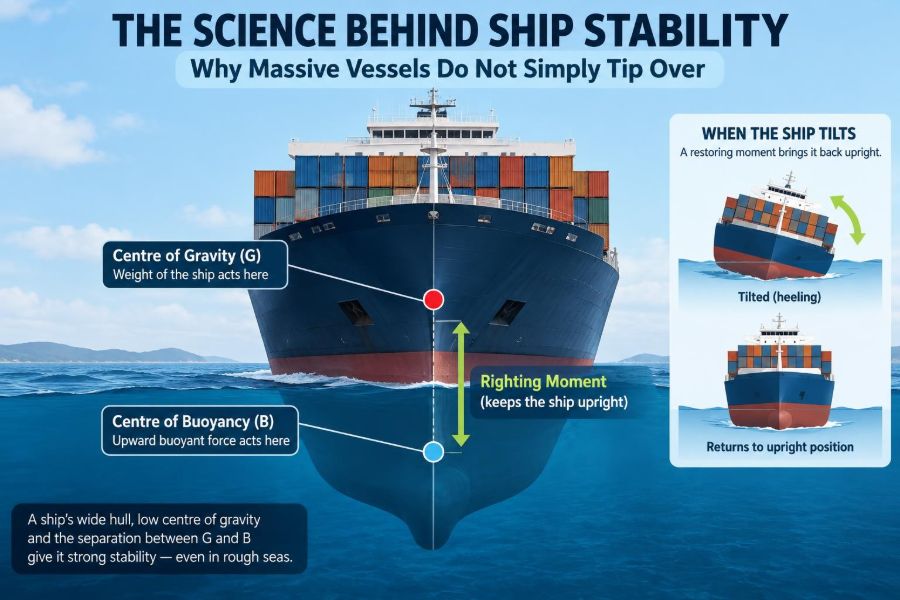
๐Ÿšข The Science Behind Ship Stability: Why Massive Vessels Do Not Simply Tip Over
Posted inFeatured

๐Ÿšข The Science Behind Ship Stability: Why Massive Vessels Do Not Simply Tip Over

Posted by admin September 26, 2026
Discover the forces that keep vessels uprightโ€”and the loading, ballast, flooding, and wave conditions that can erode that safety margin. ๐ŸŒŠ๐Ÿ“ฆโš“
Read More
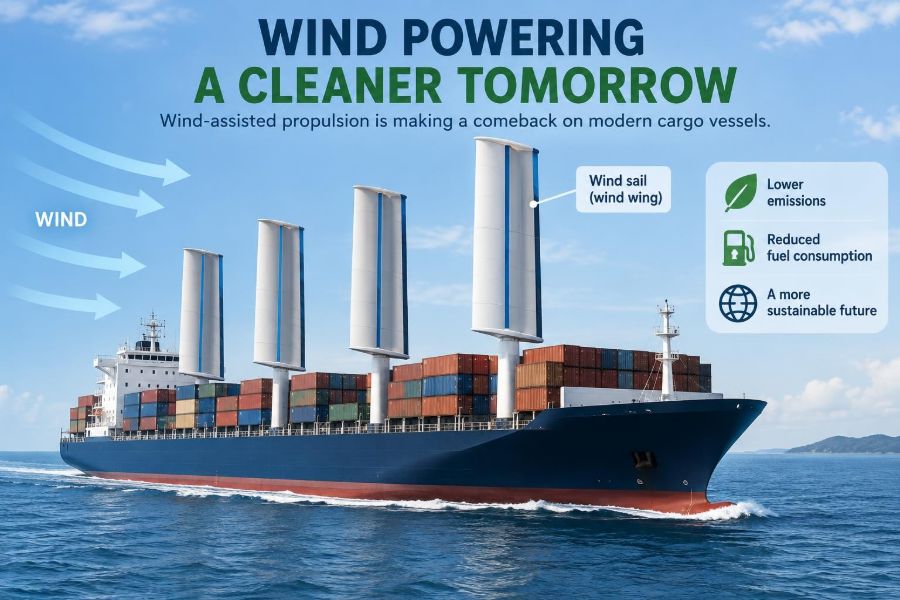
๐Ÿšข Breakthrough in Shipping: How Wind-Assisted Propulsion Is Returning to Modern Cargo Vessels
Posted inFeatured

๐Ÿšข Breakthrough in Shipping: How Wind-Assisted Propulsion Is Returning to Modern Cargo Vessels

Posted by admin September 25, 2026
Rotor sails, wing sails, route planning, and deck design are bringing wind back to shipping. See where wind assistance worksโ€”and the engineering limits behind it. โš“๐Ÿ“Š๐ŸŒŠ
Read More
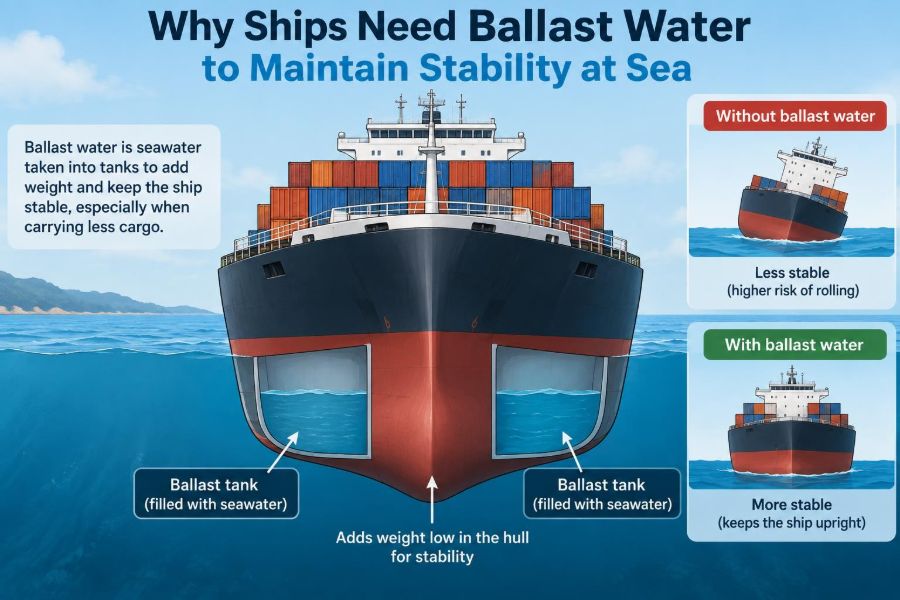
๐Ÿšข Why Ships Need Ballast Water to Maintain Stability at Sea
Posted inFeatured

๐Ÿšข Why Ships Need Ballast Water to Maintain Stability at Sea

Posted by admin September 24, 2026
Ballast water keeps ships stable, steerable, and structurally safeโ€”but it also carries environmental risks. See what happens below the waterline โš“๐Ÿฆ ๐Ÿšข
Read More
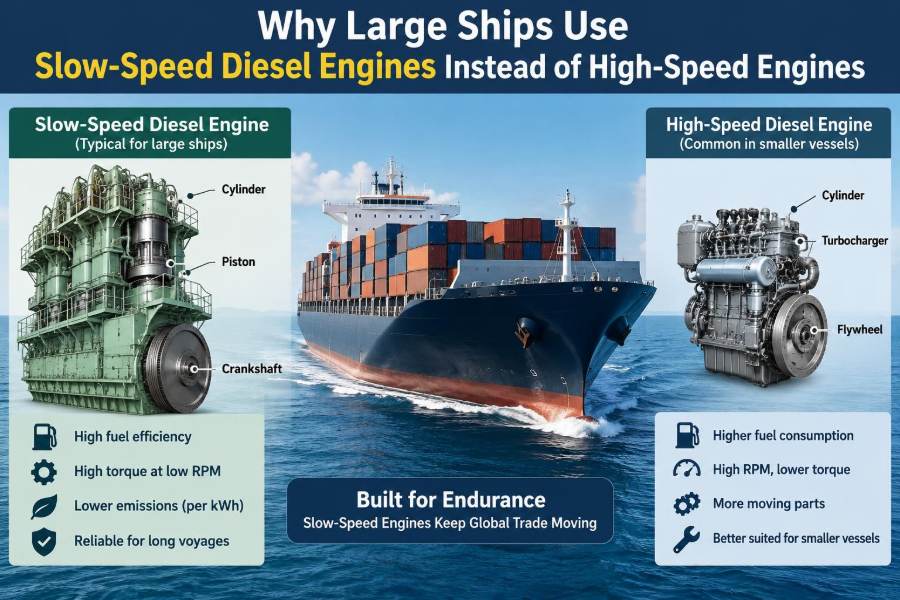
๐Ÿšข Why Large Ships Use Slow-Speed Diesel Engines Instead of High-Speed Engines
Posted inFeatured

๐Ÿšข Why Large Ships Use Slow-Speed Diesel Engines Instead of High-Speed Engines

Posted by admin September 23, 2026
A ship engine may turn at only a fraction of car-engine rpmโ€”and that is exactly the point. Explore torque, propellers, cavitation, fuel use, and direct drive. โš™๏ธ๐ŸŒŠ๐Ÿšข
Read More
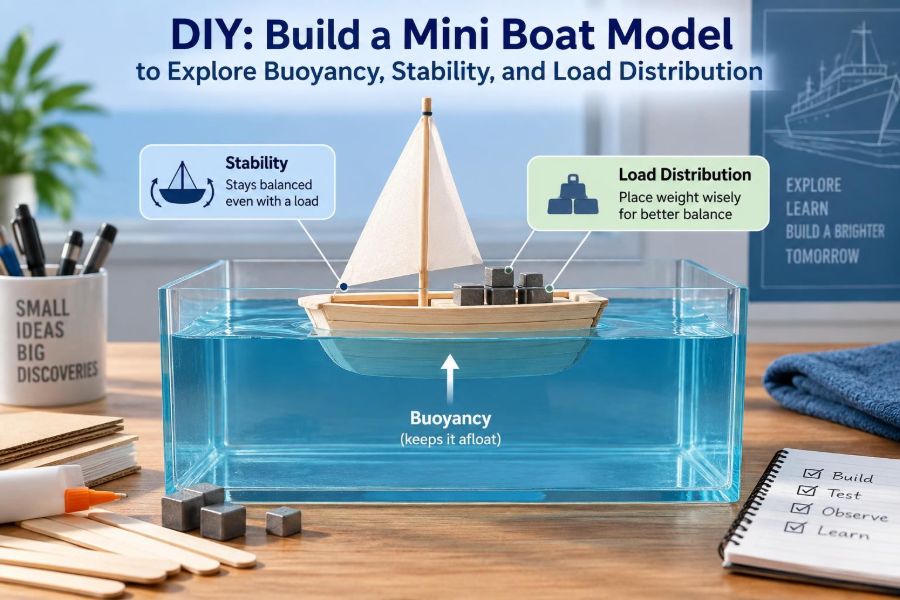
๐Ÿšข DIY: Build a Mini Boat Model to Explore Buoyancy, Stability, and Load Distribution
Posted inFeatured

๐Ÿšข DIY: Build a Mini Boat Model to Explore Buoyancy, Stability, and Load Distribution

Posted by admin September 22, 2026
Build a simple floating model, then test buoyancy, ballast, trim, freeboard, and shifting cargo. See why where weight sits matters as much as how much it weighs. ๐ŸŒŠ๐Ÿงช๐Ÿ“
Read More

Posts pagination

Previous page 1 2 3 Next page

Recent Posts

  • ๐Ÿšข How to Measure Ship Hull Fouling and Its Effect on Speed and Fuel Consumption
  • ๐Ÿšข Understanding Free Surface Effect and Why Partially Filled Tanks Can Reduce Ship Stability
  • ๐Ÿšข The Solution to Propeller Cavitation: How Engineers Reduce Damage, Noise, and Efficiency Loss
  • ๐Ÿšข Real-World Uses of Waste Heat Recovery on Ships for Fuel Savings and Power Generation
  • ๐Ÿšข Breaking Down Ship Propulsion: Engine, Shaft, Gearbox, Propeller, and Hull Interaction

Recent Comments

No comments to show.

Archives

  • November 2026
  • October 2026
  • September 2026
  • August 2026
  • July 2025
  • March 2025
  • February 2025
  • January 2025
  • October 2024
  • September 2024
  • January 2022
  • November 2021
  • October 2021
  • August 2021
  • July 2021
  • June 2021

Categories

  • Advanced
  • Basics
  • Bioremediation
  • Chemistry for Marine Engineering
  • Featured
  • General Concepts
  • Marine Auxiliary Machinery
  • Marine Control Engineering and Automation
  • Marine diesel engine
  • Marine electrical machines
  • Marine Electronics
  • Marine engine
  • Marine Engineering Materials
  • marine history
  • Marine hydraulic and fluid machinery
  • Marine Machinery and Systems Design
  • Marine machinery Drawing
  • Marine manufacturing technology
  • Marine Propulsion
  • Marine Refrigeration and Airconditioning
  • Marine steam engine
  • Marine Vehicles Performance
  • Mathematics for Marine Engineering
  • Mechanics of Marine Machines
  • navel arch
  • Ocean Exploration
  • Offshore Technology
  • safety precautions and watchkeeping
  • Seamanship Elementary Navigation and Survival at Sea
  • Ship Construction
  • ship design
  • Ship Operational Management and IMO Requirements
  • Ships Fire Prevention and Control
  • Stability of ships
  • Uncategorized
  • Underwater Engineering
Copyright 2026 — Marine Engineering. All rights reserved. Bloghash WordPress Theme
Scroll to Top