Skip to content
  • facebook.com
  • twitter.com
  • t.me
  • instagram.com
  • youtube.com
Marine Engineering

Engineering the Power Behind Every Voyage.

Subscribe
  • Home
  • Online Tools
  • Marine Engineering App
  • Home
  • 2026
  • September
  • Page 2
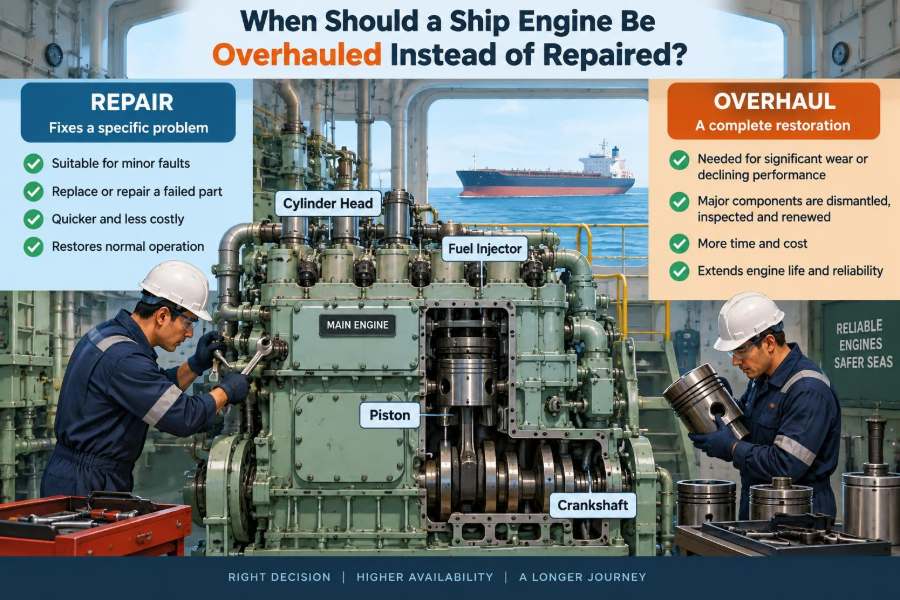
🚒 When Should a Ship Engine Be Overhauled Instead of Repaired?
Posted inFeatured

🚒 When Should a Ship Engine Be Overhauled Instead of Repaired?

Posted by admin September 25, 2026
A recurring engine fault may be more than a failed part. Learn how trends, wear limits, oil evidence, and operational risk guide the overhaul decision. πŸ”πŸ› οΈπŸš’
Read More
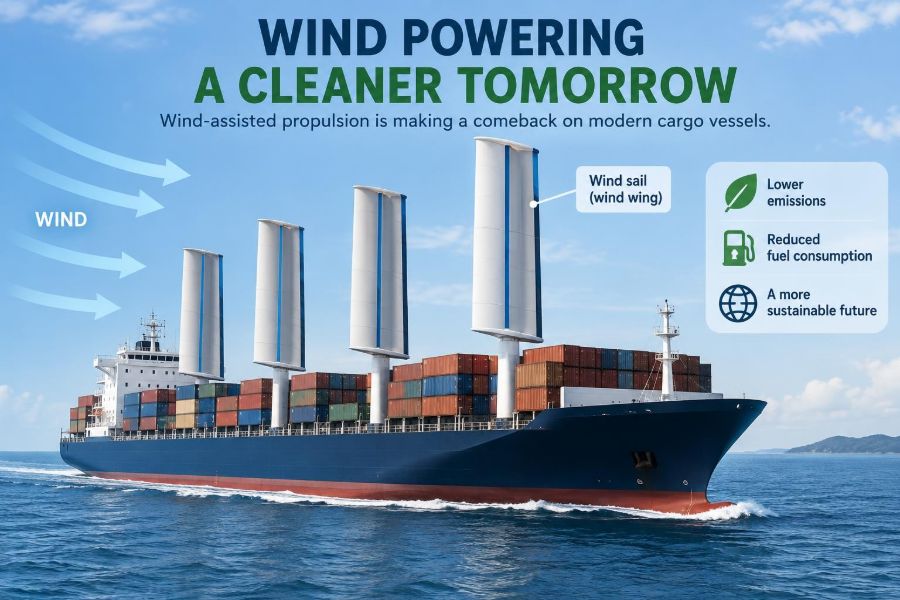
🚒 Breakthrough in Shipping: How Wind-Assisted Propulsion Is Returning to Modern Cargo Vessels
Posted inFeatured

🚒 Breakthrough in Shipping: How Wind-Assisted Propulsion Is Returning to Modern Cargo Vessels

Posted by admin September 25, 2026
Rotor sails, wing sails, route planning, and deck design are bringing wind back to shipping. See where wind assistance worksβ€”and the engineering limits behind it. βš“πŸ“ŠπŸŒŠ
Read More
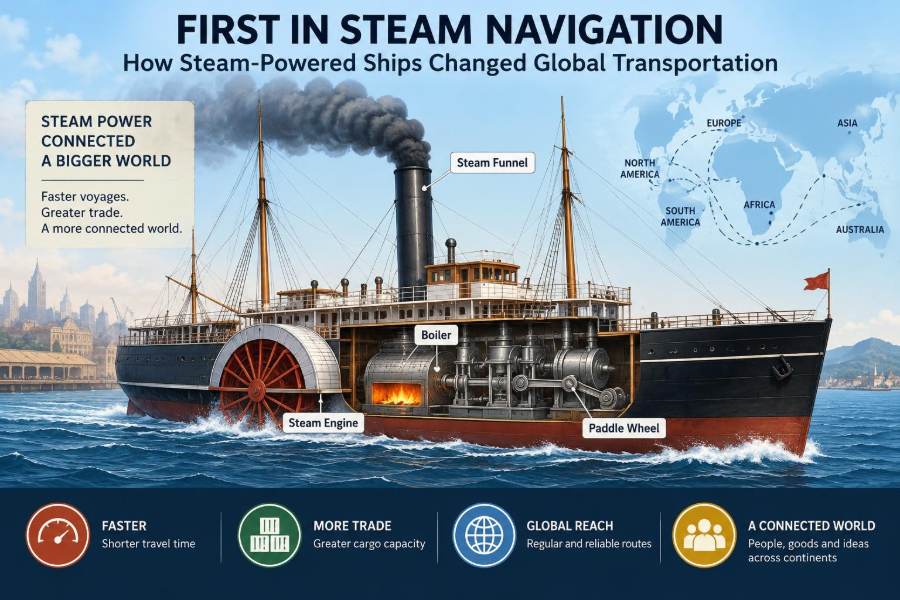
🚒 First in Steam Navigation: How Steam-Powered Ships Changed Global Transportation
Posted inFeatured

🚒 First in Steam Navigation: How Steam-Powered Ships Changed Global Transportation

Posted by admin September 24, 2026
From river paddle boats to ocean routes, discover how boilers, engines, coal, and schedules transformed travelβ€”and why steam still matters to marine engineers. βš™οΈπŸŒŠβš“
Read More
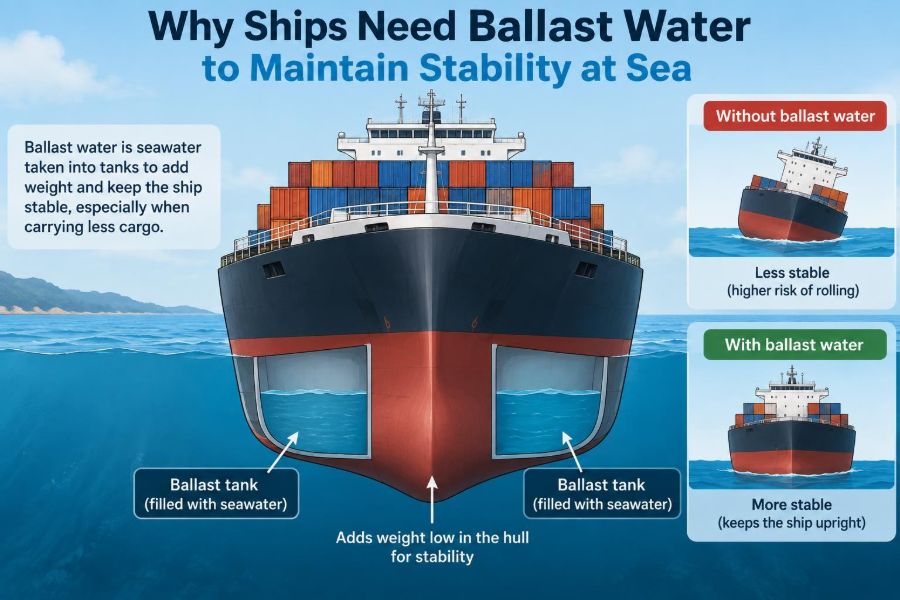
🚒 Why Ships Need Ballast Water to Maintain Stability at Sea
Posted inFeatured

🚒 Why Ships Need Ballast Water to Maintain Stability at Sea

Posted by admin September 24, 2026
Ballast water keeps ships stable, steerable, and structurally safeβ€”but it also carries environmental risks. See what happens below the waterline βš“πŸ¦ πŸš’
Read More
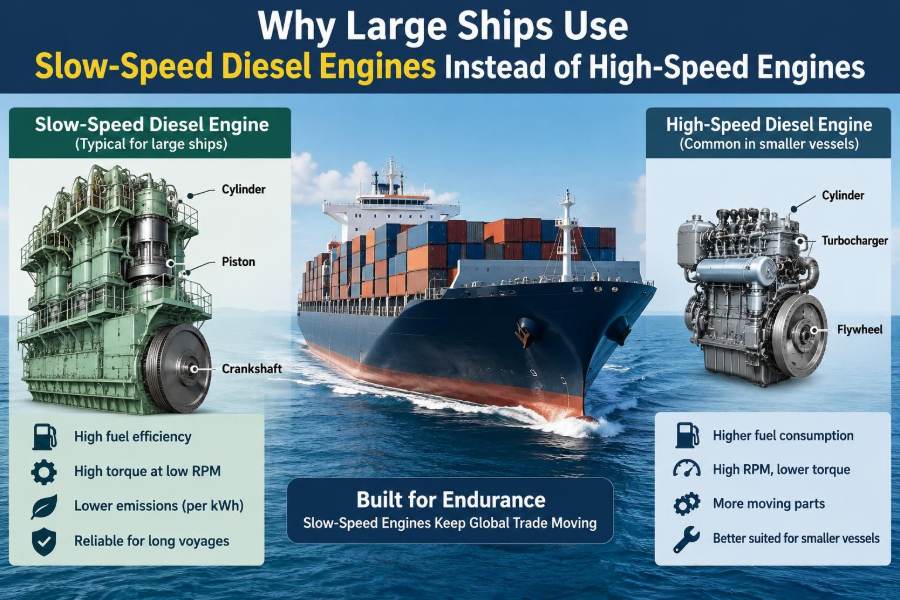
🚒 Why Large Ships Use Slow-Speed Diesel Engines Instead of High-Speed Engines
Posted inFeatured

🚒 Why Large Ships Use Slow-Speed Diesel Engines Instead of High-Speed Engines

Posted by admin September 23, 2026
A ship engine may turn at only a fraction of car-engine rpmβ€”and that is exactly the point. Explore torque, propellers, cavitation, fuel use, and direct drive. βš™οΈπŸŒŠπŸš’
Read More
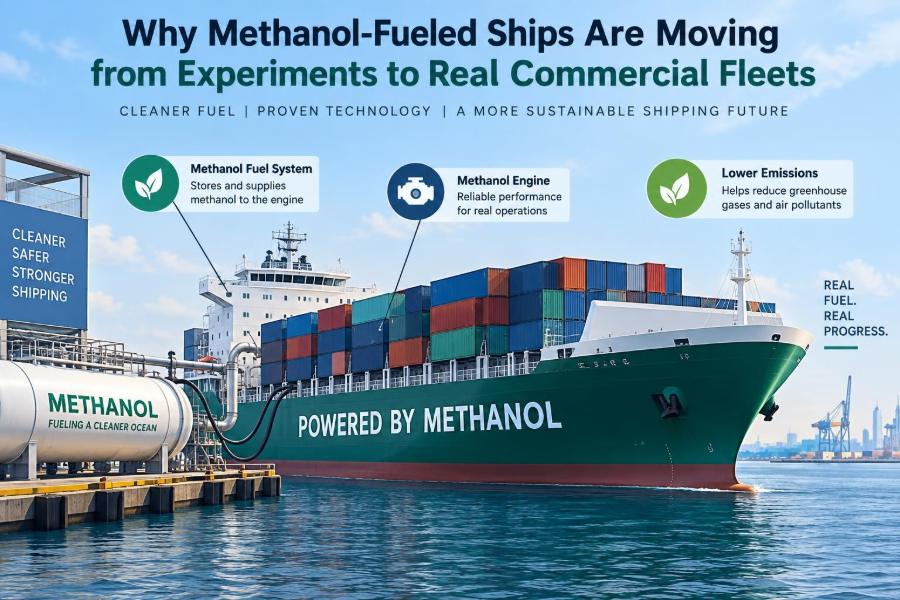
🚒 Why Methanol-Fueled Ships Are Moving from Experiments to Real Commercial Fleets
Posted inFeatured

🚒 Why Methanol-Fueled Ships Are Moving from Experiments to Real Commercial Fleets

Posted by admin September 23, 2026
Methanol is no longer only a pilot-fuel story. See what makes it commercially workableβ€”and where safety, range, bunkering, and green supply still challenge operators. βš™οΈπŸŒ±πŸš’
Read More
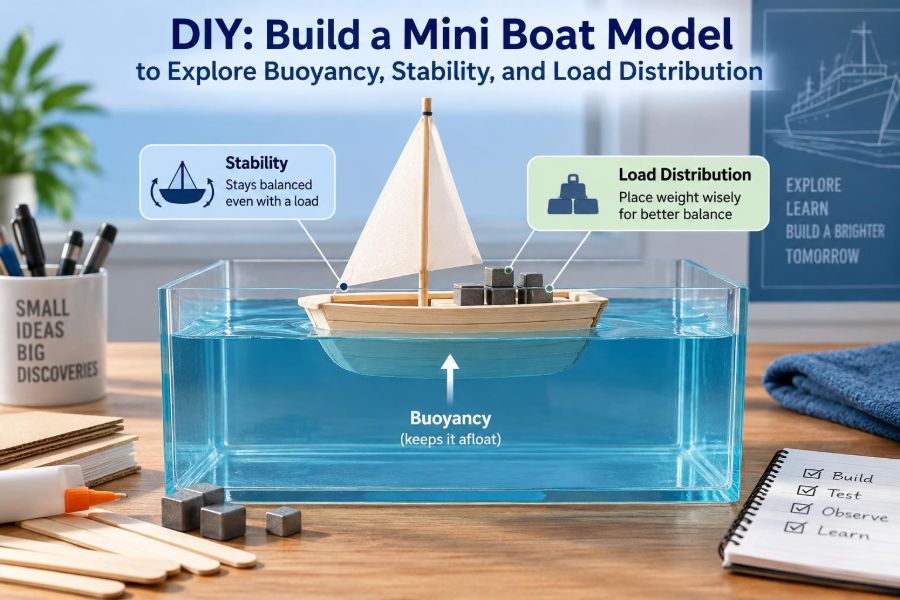
🚒 DIY: Build a Mini Boat Model to Explore Buoyancy, Stability, and Load Distribution
Posted inFeatured

🚒 DIY: Build a Mini Boat Model to Explore Buoyancy, Stability, and Load Distribution

Posted by admin September 22, 2026
Build a simple floating model, then test buoyancy, ballast, trim, freeboard, and shifting cargo. See why where weight sits matters as much as how much it weighs. 🌊πŸ§ͺπŸ“
Read More
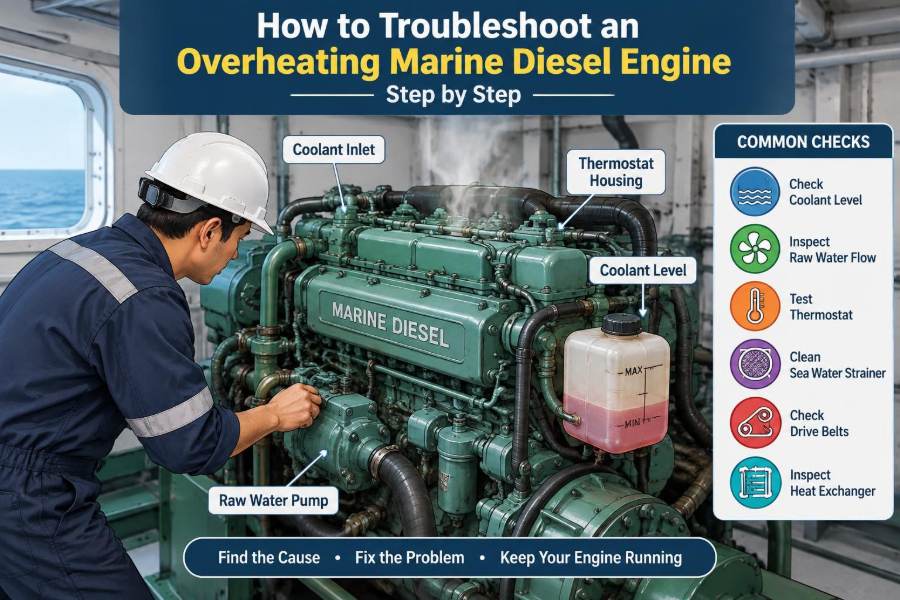
🚒 How to Troubleshoot an Overheating Marine Diesel Engine Step by Step
Posted inFeatured

🚒 How to Troubleshoot an Overheating Marine Diesel Engine Step by Step

Posted by admin September 22, 2026
A high-temperature alarm has many possible causesβ€”from a blocked strainer to an internal fault. Learn a safe, logical troubleshooting sequence before minor heat becomes major damage. πŸ”§πŸŒŠπŸš¨
Read More
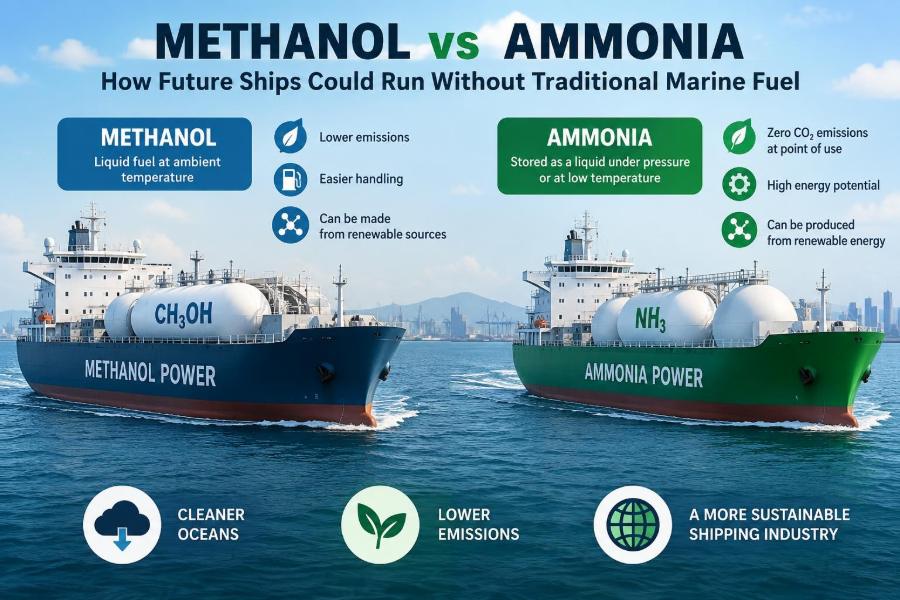
🚒 Methanol vs Ammonia: How Future Ships Could Run Without Traditional Marine Fuel
Posted inFeatured

🚒 Methanol vs Ammonia: How Future Ships Could Run Without Traditional Marine Fuel

Posted by admin September 21, 2026
Methanol and ammonia promise lower-carbon shipping, but their tanks, engines, hazards, and bunkering needs differ sharply. See what marine engineers must weigh before choosing. βš™οΈπŸŒ±πŸ›’οΈ
Read More
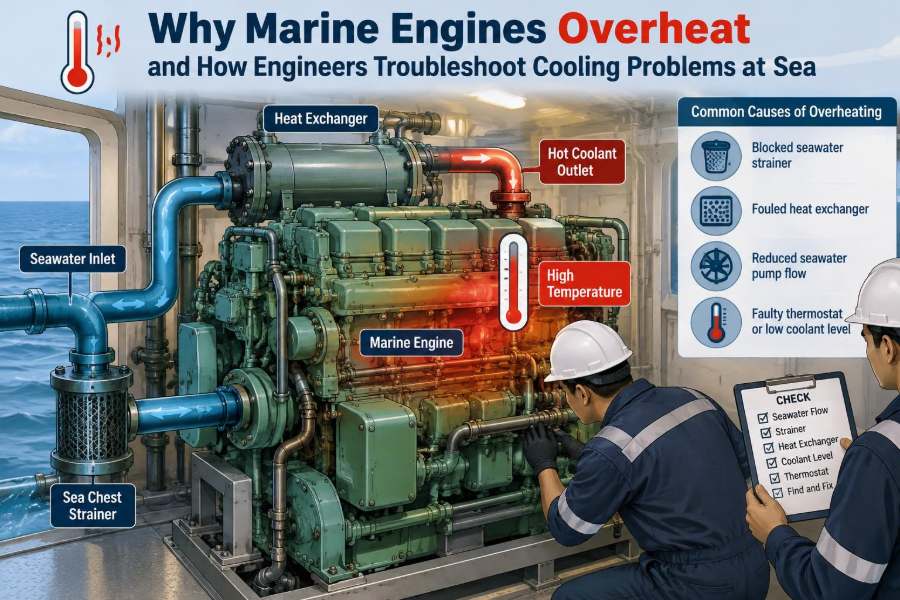
🌑️ Why Marine Engines Overheat and How Engineers Troubleshoot Cooling Problems at Sea
Posted inFeatured

🌑️ Why Marine Engines Overheat and How Engineers Troubleshoot Cooling Problems at Sea

Posted by admin September 21, 2026
From clogged sea strainers to faulty sensors, learn how engineers follow the heat path, read temperature patterns, and troubleshoot cooling faults safely at sea. πŸŒŠπŸ”§πŸš’
Read More

Posts pagination

Previous page 1 2 3 Next page

Recent Posts

  • 🚒 Why Ships Lose Speed Even When Engine Power Has Not Changed
  • 🚒 How to Check Whether a Ship’s Propeller Is Losing Efficiency
  • 🚒 Can Technology Make Large Cargo Ships Operate with Minimal Human Crew?
  • 🚒 Why Most Marine Engine Problems Can Be Traced to Cooling, Lubrication, or Fuel
  • 🚒 Does a Larger Ship Always Use More Fuel per Ton of Cargo?

Recent Comments

No comments to show.

Archives

  • October 2026
  • September 2026
  • August 2026
  • July 2025
  • March 2025
  • February 2025
  • January 2025
  • October 2024
  • September 2024
  • January 2022
  • November 2021
  • October 2021
  • August 2021
  • July 2021
  • June 2021

Categories

  • Advanced
  • Basics
  • Bioremediation
  • Chemistry for Marine Engineering
  • Featured
  • General Concepts
  • Marine Auxiliary Machinery
  • Marine Control Engineering and Automation
  • Marine diesel engine
  • Marine electrical machines
  • Marine Electronics
  • Marine engine
  • Marine Engineering Materials
  • marine history
  • Marine hydraulic and fluid machinery
  • Marine Machinery and Systems Design
  • Marine machinery Drawing
  • Marine manufacturing technology
  • Marine Propulsion
  • Marine Refrigeration and Airconditioning
  • Marine steam engine
  • Marine Vehicles Performance
  • Mathematics for Marine Engineering
  • Mechanics of Marine Machines
  • navel arch
  • Ocean Exploration
  • Offshore Technology
  • safety precautions and watchkeeping
  • Seamanship Elementary Navigation and Survival at Sea
  • Ship Construction
  • ship design
  • Ship Operational Management and IMO Requirements
  • Ships Fire Prevention and Control
  • Stability of ships
  • Uncategorized
  • Underwater Engineering
Copyright 2026 — Marine Engineering. All rights reserved. Bloghash WordPress Theme
Scroll to Top